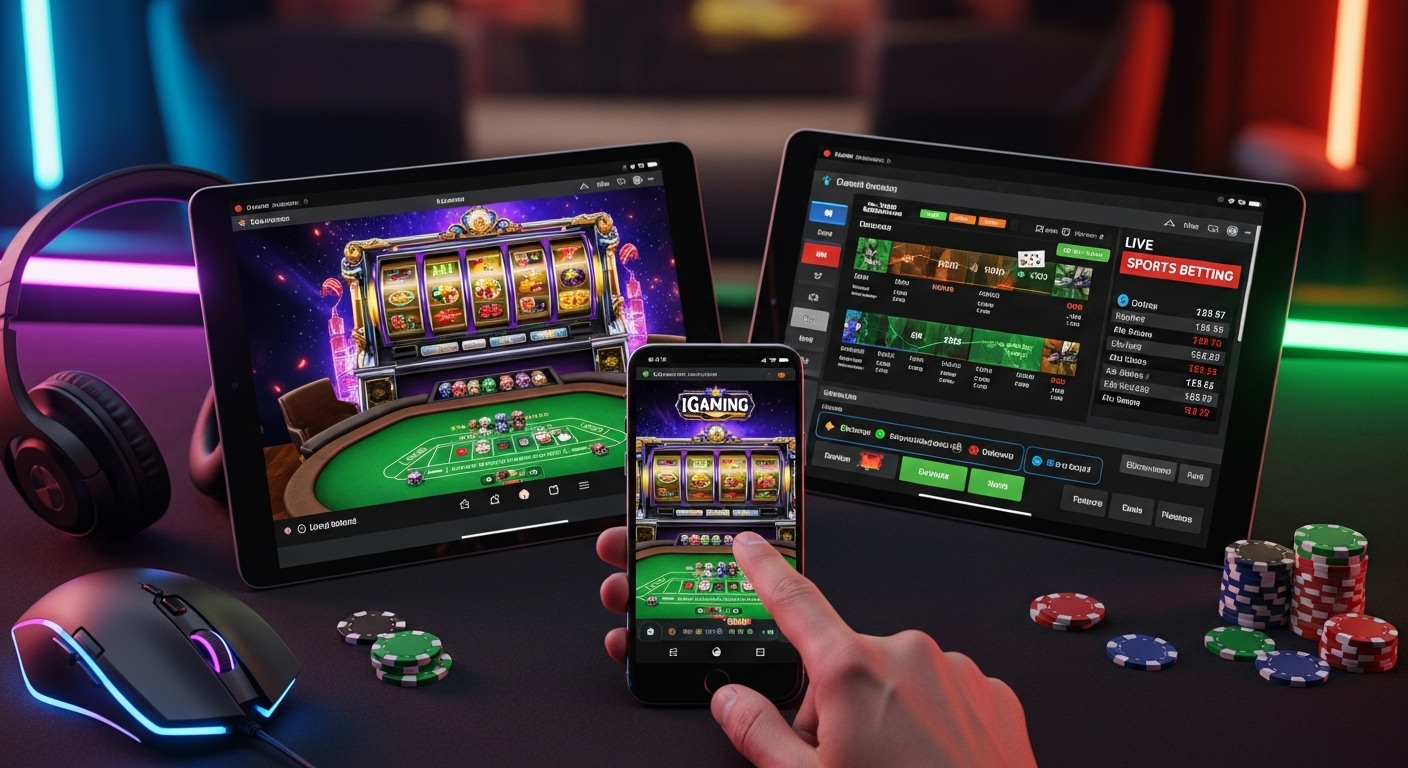
In recent years, iGaming has become a buzzword in the world of online entertainment, capturing the interest of millions of people across the globe. Whether it’s online casino games, sports betting, poker, or virtual sports, the iGaming industry has experienced exponential growth. What was once a niche market is now a booming multi-billion-dollar industry, offering a wide range of gaming experiences from the comfort of home. This blog explores the rapid rise of iGaming, the technological advancements driving its growth, the social and economic impact it has had, and what the future holds for this dynamic sector.
What is iGaming?
At its core, iGaming refers to any form of online gambling or gaming that allows players to wager real money or virtual currency in a game of chance or skill. It encompasses various sectors, including online casinos, sports betting, poker, bingo, fantasy sports, and more. The convenience of accessing these games via smartphones, tablets, and computers has made iGaming increasingly popular among players of all ages and backgrounds.
Unlike traditional land-based casinos, where players must physically visit a location to participate in gaming activities, iGaming offers the ability to play 24/7 from anywhere in the world. All that is required is an internet connection and a device to access the gaming platform. This ease of access has contributed to iGaming’s meteoric rise in the past decade.
The Explosion of iGaming: How It Became a Global Phenomenon
The evolution of iGaming can be traced back to the early days of the internet when the first online casinos launched in the mid-1990s. These initial platforms were relatively simple, offering basic games like blackjack, poker, and slots. However, as technology improved, so did the experience. Today, iGaming platforms offer a wide variety of games, immersive experiences, live dealer options, and even the ability to bet on virtual sports or play games involving real-time players from across the globe.
One of the main drivers behind the growth of iGaming has been the proliferation of smartphones and mobile gaming. According to various reports, mobile gaming now accounts for the majority of online gambling revenue. The ability to play from anywhere, combined with mobile-friendly platforms that offer smooth, high-quality experiences, has greatly increased iGaming’s accessibility.
Additionally, the global expansion of internet infrastructure and the increasing availability of high-speed internet in both urban and rural areas have made online gambling platforms more accessible. With millions of people worldwide gaining access to the internet, the potential for iGaming to reach new audiences has expanded significantly.
Technology: The Backbone of iGaming Growth
The rapid evolution of technology has been the driving force behind iGaming’s expansion. As technology improves, so too does the quality of the gaming experience. Here are some key technological trends that have shaped the iGaming industry.
1. Mobile Gaming
The transition to mobile gaming has been one of the most significant factors in the rise of iGaming. In recent years, gaming operators have optimized their platforms for mobile devices, allowing users to enjoy seamless gaming experiences on their smartphones and tablets. Mobile apps, responsive websites, and dedicated mobile versions of casino games have become the norm. As a result, iGaming is no longer confined to desktop computers; it has become a ubiquitous part of daily life.
2. Virtual Reality (VR) and Augmented Reality (AR)
Virtual and augmented reality are set to transform the iGaming experience. These technologies offer players a more immersive experience, allowing them to step into a digital world where they can interact with the environment and other players in a realistic way. VR casinos, for instance, allow players to enter virtual gambling environments where they can move around, play live games, and interact with other players. Augmented reality, on the other hand, has the potential to enhance live betting and casino games by overlaying digital elements onto the real world. As VR and AR technologies continue to improve, the line between digital and physical gaming will continue to blur.
3. Artificial Intelligence (AI) and Machine Learning
AI and machine learning are playing a crucial role in personalizing the gaming experience and enhancing player security. By analyzing vast amounts of player data, AI can suggest tailored game recommendations, offer personalized bonuses, and even adjust the difficulty of games in real-time. AI-powered chatbots are now commonly used to assist players, answer their queries, and provide customer service. Additionally, machine learning algorithms help detect unusual behavior and prevent fraud, ensuring that gaming platforms remain safe and secure for all players.
4. Blockchain and Cryptocurrencies
The rise of blockchain technology and cryptocurrencies, like Bitcoin, has introduced a new layer of security and transparency to the iGaming sector. Blockchain offers decentralized, immutable records of transactions, making it nearly impossible for transactions to be altered or tampered with. This has greatly improved player confidence, as they can see and verify all their gambling transactions in real-time. Furthermore, cryptocurrencies offer players the ability to gamble without the need for traditional banking methods, making deposits and withdrawals quicker, easier, and more private.
The Regulatory Landscape of iGaming
One of the most critical aspects of iGaming is the regulatory environment that governs it. As the industry grew, governments worldwide began to take notice and implement regulations to ensure fair play, consumer protection, and responsible gambling. In some regions, iGaming is fully legal and regulated, while in others, it is either partially restricted or outright banned.
The legal landscape of iGaming is complex and varies from country to country. For example, in the United Kingdom, iGaming is regulated by the UK Gambling Commission, which enforces strict rules to ensure fair gaming practices and protects consumers. In the United States, iGaming regulations vary by state, with some states allowing online casinos and poker, while others restrict online gambling altogether.
While the regulatory environment for iGaming continues to evolve, the trend toward legalization and regulation is growing. Many governments are recognizing the economic benefits of regulated iGaming, including job creation, tax revenue, and increased tourism. As a result, the industry is expected to continue expanding as more jurisdictions legalize online gambling.
The Social and Economic Impact of iGaming
The iGaming industry has had a profound impact on both the social and economic landscape.
Economic Growth and Job Creation
The rapid expansion of the iGaming industry has led to significant economic benefits, particularly in regions where online gambling is regulated. Governments have generated substantial tax revenue from gambling operations, which can be used to fund public services and infrastructure projects. Additionally, the iGaming industry has created thousands of jobs, ranging from software developers and game designers to customer support staff and marketing professionals.
Job Creation and Skill Development
As the iGaming industry continues to grow, it has created various job opportunities, especially in tech-driven sectors. Game developers, designers, and engineers are in high demand to build innovative gaming platforms and software. Furthermore, marketing, customer service, and data analysis roles are also expanding, providing employment in a diverse range of fields.
Responsible Gambling
While the rise of iGaming has created numerous economic opportunities, it has also brought with it concerns about gambling addiction and irresponsible behavior. Many iGaming operators have taken steps to address these concerns by implementing responsible gambling measures, such as self-exclusion programs, deposit limits, and promoting awareness about the risks of gambling addiction. Regulatory bodies also require operators to provide resources for players who may need assistance with gambling-related issues.
The Future of iGaming: What Lies Ahead?
The future of iGaming looks incredibly promising. With technological advancements continuing to reshape the industry, the next few years will likely see even more innovative developments.
1. Expansion into New Markets
As more regions around the world legalize online gambling, iGaming will continue to expand into new markets. For example, markets in Asia and Latin America are seeing increasing interest in online casinos, sports betting, and virtual sports. With localized offerings and tailored experiences, iGaming operators are well-positioned to capture a larger share of the global market.
2. The Integration of eSports
Esports, or competitive video gaming, is already a significant part of the entertainment landscape, and its integration into the iGaming world is set to grow. As esports tournaments become more mainstream, iGaming platforms are offering betting markets for competitive gaming events, further blurring the lines between traditional gambling and esports entertainment.
3. The Continued Rise of Mobile and Virtual Gaming
With the growing popularity of mobile devices, iGaming platforms will continue to optimize their services for smartphones and tablets. Furthermore, the rise of virtual casinos, where players can interact with live dealers and other players in real-time, will create more immersive experiences that replicate land-based casino environments.
Conclusion
iGaming has come a long way from its humble beginnings and is now one of the fastest-growing sectors in the global entertainment industry. With technological advancements driving innovation, the industry offers a dynamic and exciting future. However, as it expands, it must continue to address concerns about responsible gambling, player protection, and regulatory frameworks. Ultimately, the success of iGaming will depend on its ability to balance innovation with responsibility, ensuring that it remains a fun, safe, and rewarding experience for players around the world.
About the Author