Introduction
The iGaming industry has experienced rapid growth over the last decade, becoming a multi-billion-dollar market. Online gaming, including casino games, sports betting, and eSports, has rapidly expanded, bringing millions of players worldwide into a digital space. iGaming offers convenience, excitement, and a wide range of entertainment options, but it also comes with its own set of challenges, such as regulation, security, and ethical concerns. This post will explore the evolution of iGaming, the current trends, the challenges it faces, and its future potential.
The Emergence of iGaming: A Brief History
Online gaming, or iGaming, has evolved significantly since its inception in the 1990s. The first online casino launched in 1994, and with the advent of the internet, it became possible for players to participate in gambling activities from the comfort of their own homes. As technology advanced, the popularity of online casinos, poker rooms, and sportsbooks grew rapidly. In the early 2000s, more online gambling operators entered the market, offering a wider variety of games and betting options.
The legal landscape surrounding iGaming has also evolved. Initially, many governments were skeptical of online gambling, and regulatory measures were either non-existent or weak. Over time, countries recognized the revenue potential of the industry and began to implement legislation to regulate online gambling, ensuring that operators meet specific legal and ethical standards. Today, iGaming is a well-established sector that is regulated in many jurisdictions across the world.
What Makes iGaming So Popular?
There are several factors contributing to the popularity of iGaming. First and foremost, the convenience of accessing online gambling from anywhere with an internet connection has made it incredibly attractive. Players no longer need to travel to a physical casino or betting shop; they can place bets or play games from the comfort of their homes, or even on the go using mobile devices.
Another factor is the wide range of games and betting options available. iGaming platforms offer a vast selection of games, including traditional casino games like blackjack, roulette, and slots, as well as sports betting, poker, bingo, and more. Many platforms also feature live dealer games, which replicate the real-world casino experience with live streaming and human dealers.
The rise of social gaming and the integration of skill-based games have also added a new dimension to online gaming. Gamers now have the opportunity to compete against each other in tournaments, share experiences, and earn rewards based on their performance. The gamification of gambling has made the experience more engaging and appealing, particularly to younger generations who are accustomed to interactive, online-based experiences.
Technological Advancements Shaping the iGaming Industry
The iGaming industry has benefited immensely from technological innovations. The development of faster internet speeds, mobile devices, and secure payment methods has made it easier and safer for players to engage in online gambling. Key technological advancements driving the industry forward include:
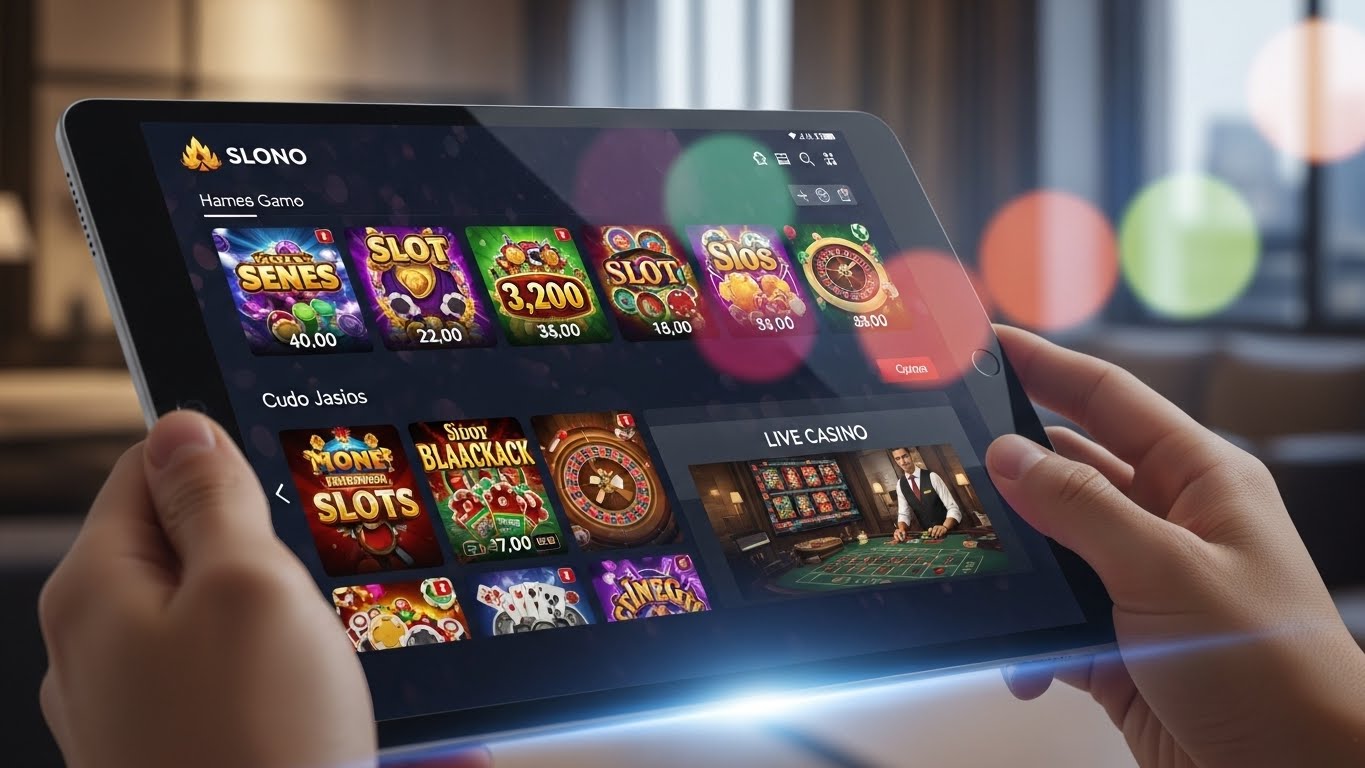
- Mobile Gaming: The rise of smartphones and tablets has played a significant role in the growth of iGaming. Players can now enjoy their favorite casino games or sports betting events anywhere, at any time. Mobile apps have made gambling more accessible, and many operators now offer mobile-optimized websites or apps that are specifically designed for a seamless gaming experience.
- Live Dealer Technology: Live dealer games have become increasingly popular in recent years. These games use real dealers who are broadcast in real-time via video streaming. Players can interact with the dealers and other players, creating an immersive and social experience that replicates the atmosphere of a land-based casino.
- Blockchain and Cryptocurrencies: Blockchain technology has introduced new levels of transparency and security to the iGaming industry. By using decentralized networks, players can track transactions and verify the fairness of games, reducing the potential for fraud. Additionally, cryptocurrencies like Bitcoin and Ethereum are gaining acceptance in the iGaming sector, providing players with more payment options and faster, more secure transactions.
- Artificial Intelligence (AI) and Machine Learning: AI is revolutionizing many industries, and iGaming is no exception. Operators are using AI to enhance the user experience by providing personalized game recommendations, optimizing customer service through chatbots, and detecting problem gambling behavior. Machine learning algorithms also help identify fraud and ensure that games are fair and transparent.
- Virtual Reality (VR) and Augmented Reality (AR): VR and AR are starting to make their way into the iGaming world, offering players even more immersive and engaging experiences. With VR, players can step into virtual casinos or sports arenas, while AR can enhance live games with additional layers of information or interactive elements.
The Rise of eSports and Skill-Based Gaming
eSports, or competitive video gaming, has grown into a multi-billion-dollar industry in its own right. What started as small tournaments between gaming enthusiasts has exploded into large-scale events with professional players, massive audiences, and sponsorships from major brands. Platforms like Twitch and YouTube Gaming have made it possible for fans to watch live streams of eSports tournaments, further fueling the industry’s growth.
iGaming operators are taking notice of the rise of eSports, with many now offering betting options on popular games such as League of Legends, Dota 2, and Counter-Strike: Global Offensive. The integration of eSports betting into traditional iGaming platforms has brought a new audience into the fold, attracting younger players who may not be interested in traditional casino games.
In addition to eSports, there is a growing demand for skill-based games in the iGaming space. Games like poker, fantasy sports, and skill-based slot machines offer players the chance to use their knowledge, strategy, and decision-making skills to influence the outcome, rather than relying solely on luck. This trend is attracting a more diverse group of players, particularly those who are interested in gaming for its competitive and strategic elements.
Challenges Facing the iGaming Industry
Despite its rapid growth and popularity, the iGaming industry faces several challenges. These challenges include:
- Regulation and Legal Issues: One of the biggest challenges for iGaming operators is the complex and ever-changing landscape of regulation. Different countries have different laws and regulations concerning online gambling, and operators must navigate this landscape to ensure compliance. Some countries have strict laws that ban online gambling entirely, while others have legalized it but impose heavy taxes or restrictions on operators.
- Responsible Gambling and Problem Gambling: iGaming platforms have a responsibility to promote responsible gambling and ensure that players are not engaging in harmful behavior. Problem gambling can lead to significant financial and personal consequences, and many operators are investing in tools to help players manage their gambling habits. However, the anonymity of online gambling makes it difficult to identify and intervene with problem gamblers effectively.
- Security and Fraud Prevention: Online gambling sites are often targets for hackers and fraudsters, which makes security a top priority for operators. Ensuring the safety of players’ personal and financial information is critical, and operators are continually working to improve their security measures, including implementing encryption, secure payment gateways, and anti-fraud algorithms.
- Market Saturation and Competition: The iGaming market is highly competitive, with hundreds, if not thousands, of platforms vying for players’ attention. Operators must continually innovate, offer new features, and provide high-quality games to stay ahead of the competition. As the market matures, it becomes more difficult for new entrants to break through and gain a foothold.
The Future of iGaming: Trends to Watch
As iGaming continues to evolve, several key trends are expected to shape its future:
- Greater Regulation and Legalization: As more countries recognize the economic benefits of iGaming, we can expect to see further legalization and regulation of online gambling. This will lead to a more secure and transparent industry, with higher standards for consumer protection.
- Increased Integration of Cryptocurrencies: Cryptocurrencies will continue to play a significant role in the future of iGaming. They offer a fast, secure, and anonymous way to make transactions, and their use is expected to increase as more players and operators become comfortable with digital currencies.
- Immersive Experiences with VR and AR: The use of VR and AR in iGaming will likely grow as technology becomes more advanced. Players will be able to engage in more immersive and interactive experiences, further blurring the line between the virtual and real worlds.
- Social and Multiplayer Gaming: Social gaming, where players interact with friends or other participants, is likely to become more prominent in iGaming. Multiplayer games and tournaments are already popular, and the integration of social elements will continue to make online gaming a more collaborative and engaging experience.
- AI and Automation: AI will continue to improve player experiences, from personalized recommendations to improved fraud detection and automated customer service. The use of AI will make the iGaming experience more seamless, secure, and tailored to individual preferences.
Conclusion
The iGaming industry is a dynamic and rapidly evolving sector that has transformed the way people engage with gambling and gaming. From its humble beginnings in the 1990s to the high-tech, immersive experiences available today, iGaming has come a long way. While the industry faces challenges related to regulation, security, and responsible gambling, it also offers enormous potential for growth and innovation in the coming years. As technology continues to advance and new trends emerge, the future of iGaming looks bright, with opportunities for operators, players, and developers to shape the next generation of online gaming experiences.
About the Author