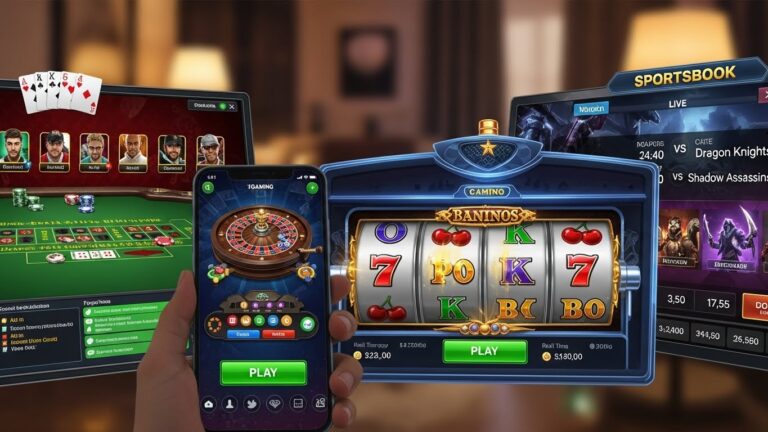
In the digital age, entertainment has evolved far beyond traditional mediums, creating new and exciting ways for people to engage with content. One of the most dynamic sectors to emerge in recent years is iGaming, a rapidly growing industry that encompasses online gambling, virtual sports, and digital casinos. With the widespread availability of smartphones, high-speed internet, and improved digital platforms, iGaming has become a massive global phenomenon, attracting millions of players worldwide. In this blog post, we will explore what iGaming is, how it works, its growth and regulation, and what the future holds for this exciting industry.
Understanding iGaming: The Digital Shift in Gambling
At its core, iGaming refers to the practice of gambling through digital platforms such as websites, mobile apps, and online casinos. The most common forms of iGaming include online sports betting, casino games (like slots and table games), poker, and virtual sports, all of which can be accessed via the internet. Unlike traditional gambling, where players visit physical locations such as casinos or betting shops, iGaming allows users to place bets and participate in games from the comfort of their homes or on the go using smartphones and tablets.
The key factor driving the growth of iGaming is convenience. Online platforms offer instant access to a vast array of games and betting options, available 24/7, with no need to leave home. Players can choose from thousands of different games, ranging from classic card games like blackjack and roulette to cutting-edge live dealer games, which provide an authentic casino experience in real-time.
iGaming also includes esports betting, where players can wager on competitive video game tournaments, and fantasy sports, where participants create teams from real-life athletes to compete for prizes. These various segments of iGaming cater to different interests and demographics, making it a highly diverse industry.
The Rise of Online Casinos and Virtual Sports
While the concept of online gambling dates back to the mid-1990s, it wasn’t until the early 2000s that the iGaming industry began to take shape and gain widespread popularity. Online casinos, which replicate the experience of a traditional casino through digital interfaces, became some of the first and most successful ventures in iGaming. Players could access a wide range of casino games such as slots, blackjack, poker, and baccarat, all available in a virtual environment.
One of the most significant innovations in the iGaming space has been the development of live dealer games. These games use real dealers who interact with players via live video feeds, providing a more immersive and realistic experience. Whether it’s roulette, blackjack, or poker, live dealer games replicate the atmosphere of a land-based casino, bringing a human element to digital gambling. This innovation has been critical in attracting players who crave a more authentic and social experience but still want the convenience of online gaming.
In addition to traditional casino games, virtual sports have gained traction. These are computer-generated simulations of sports events such as football, horse racing, and basketball, where players can place bets on outcomes in real-time. Virtual sports are particularly popular in regions where traditional sports betting may be restricted or unavailable, offering a continuous stream of betting opportunities.
Mobile iGaming: Betting on the Go
The proliferation of smartphones and mobile apps has had a transformative impact on the iGaming industry. Today, a significant percentage of iGaming activity takes place on mobile devices, with players able to gamble wherever they are, whether it’s during their daily commute, at home, or even on vacation. The ease of access and mobile optimization of iGaming platforms have played a major role in the industry’s growth, particularly among younger audiences who are more accustomed to interacting with mobile technology.
Most online casinos, sportsbooks, and gaming platforms now offer dedicated mobile applications, ensuring that players can enjoy their favorite games with the same functionality and ease of use as on desktop platforms. Additionally, mobile apps often provide bonuses and promotions specifically tailored to mobile users, further incentivizing the move to mobile gaming.
The mobile iGaming experience also offers convenience in terms of payment methods. With the rise of digital wallets, cryptocurrency, and secure banking options, mobile players can easily deposit and withdraw funds, making it simpler than ever to manage their gambling activity on the go.
The Growth of Esports and Fantasy Sports Betting
While traditional casino games dominate the iGaming world, a rapidly growing segment of the industry is esports betting. Esports refers to the competitive world of video gaming, where professional gamers and teams compete in organized tournaments for substantial prize pools. Esports has exploded in popularity in recent years, with games like League of Legends, Dota 2, Counter-Strike: Global Offensive, and Fortnite drawing millions of viewers and fans across the globe.
Esports betting allows fans to place wagers on the outcome of professional gaming events, similar to traditional sports betting. With the growing viewership of esports, betting companies have begun to embrace this emerging market, offering odds on matches, tournaments, and even specific in-game events. Esports betting has introduced a new demographic of young, tech-savvy players to the world of iGaming, contributing to the industry’s overall growth.
Fantasy sports have also played a significant role in the rise of iGaming. These platforms allow players to create fantasy teams based on real-life athletes and earn points based on their performance in actual games. Fantasy sports are especially popular in the U.S., where platforms like DraftKings and FanDuel have become household names. These platforms have blurred the line between traditional sports betting and gaming, offering an engaging way for fans to interact with their favorite sports and players.
Regulation and Legality of iGaming
While iGaming offers great potential for entertainment and revenue generation, its legality and regulation remain a complex and contentious issue in many parts of the world. The regulatory landscape for online gambling varies greatly by country, with some regions embracing iGaming as a legitimate industry, while others impose strict laws or outright bans.
In regions where iGaming is legal, operators must comply with various regulations designed to protect consumers and ensure fair play. Licensing authorities, such as the UK Gambling Commission, Malta Gaming Authority, and New Jersey Division of Gaming Enforcement, play a vital role in overseeing iGaming platforms, ensuring that operators adhere to strict standards for fairness, transparency, and security.
One of the primary concerns surrounding iGaming is the potential for problem gambling and the industry’s ability to protect vulnerable players. Responsible gaming initiatives, such as self-exclusion programs, limits on deposits, and age verification, are commonly implemented by licensed operators to mitigate these risks. Additionally, many regions now require operators to adhere to responsible gaming standards and provide resources for players seeking help with gambling addiction.
In countries where online gambling is illegal, players often seek out unregulated offshore platforms, which may not offer the same protections or security as licensed operators. This has led to calls for a more uniform global approach to iGaming regulation, which would provide clear guidelines and safeguards for players worldwide.
The Future of iGaming: Innovation and Expansion
As the iGaming industry continues to evolve, several key trends are expected to shape its future. One of the most significant innovations on the horizon is the integration of virtual reality (VR) and augmented reality (AR) into gaming experiences. VR and AR have the potential to revolutionize online casinos, offering players the chance to experience fully immersive gambling environments where they can interact with dealers, players, and game elements in a three-dimensional space.
Another exciting development is the rise of cryptocurrency gambling. With the increasing popularity of cryptocurrencies like Bitcoin, Ethereum, and others, some online casinos and sportsbooks are beginning to accept digital currencies as a method of payment. Cryptocurrency offers players faster, more secure transactions with added privacy, making it an attractive option for many iGamers.
Moreover, advancements in artificial intelligence (AI) and machine learning are expected to enhance the iGaming experience. AI can be used to personalize gaming experiences, tailor promotions, and improve customer service through chatbots. AI could also help identify potential problem gamblers and provide real-time intervention, ensuring a safer environment for all players.
Finally, as iGaming continues to expand globally, operators will need to navigate the complexities of localization. This includes offering games in multiple languages, accepting various currencies, and ensuring compliance with local laws. The international nature of iGaming presents both opportunities and challenges for operators, but it also means that more players than ever will have access to high-quality gambling experiences.
Conclusion
iGaming is one of the most exciting and rapidly evolving sectors in the entertainment and technology industries. From online casinos and virtual sports to esports betting and fantasy leagues, the iGaming industry offers a diverse range of experiences for players worldwide. With the rise of mobile gaming, cryptocurrency, and cutting-edge technologies like VR and AI, iGaming is poised for continued growth and innovation in the years to come.
However, the industry’s success will depend on its ability to navigate regulatory challenges, ensure consumer protection, and promote responsible gaming. As the world of iGaming continues to expand, it will undoubtedly play a significant role in shaping the future of digital entertainment and gaming culture. Whether you’re a seasoned gambler or a casual player, there’s no denying that iGaming is here to stay—and it’s only going to get more exciting.
About the Author