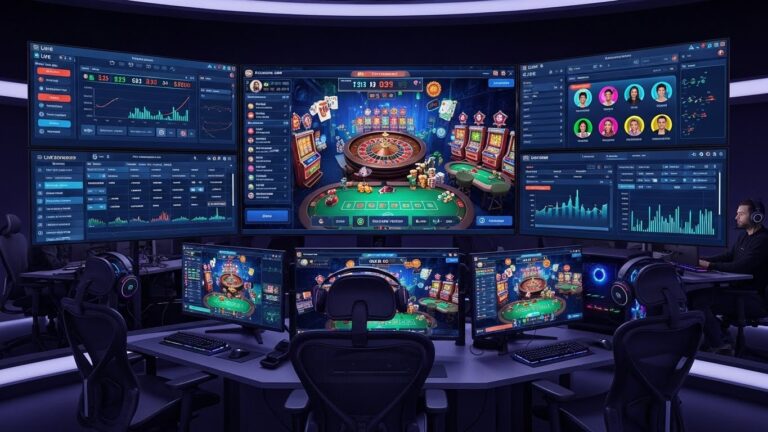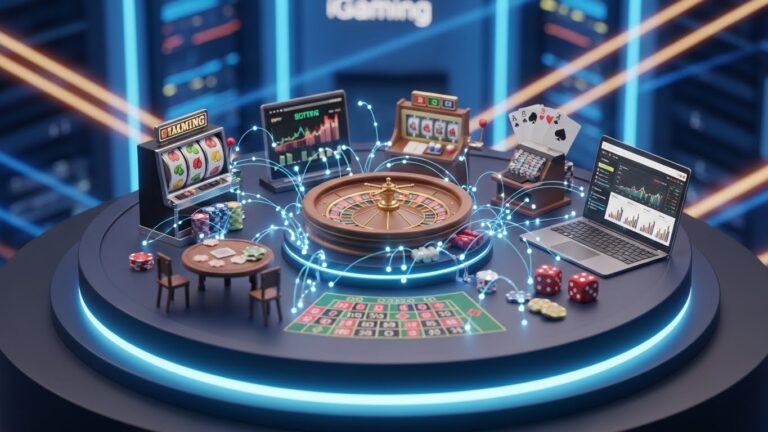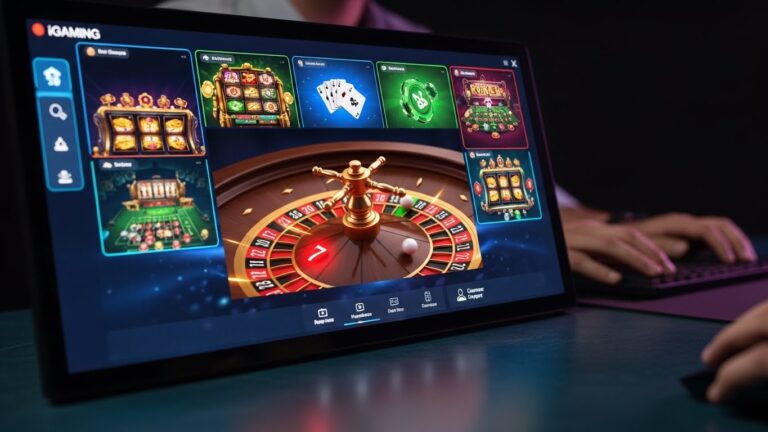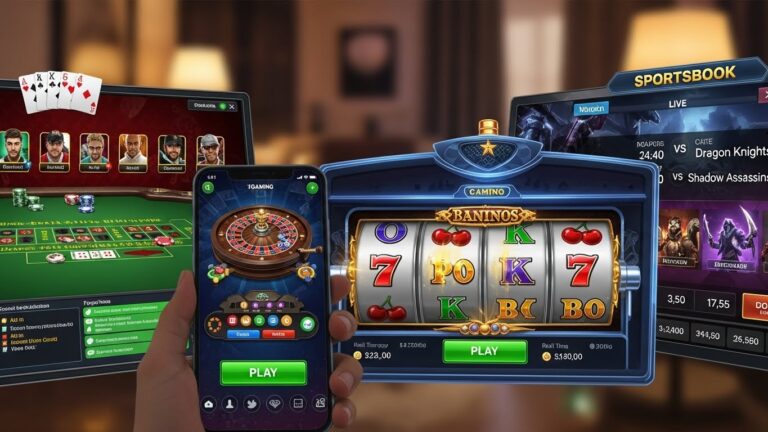
The modern entertainment world has witnessed an extraordinary transformation over the past two decades, and one of the most dynamic changes has been the rise of iGaming. Short for “interactive gaming” or “internet gaming,” iGaming represents the fusion of technology, innovation, and human psychology in the realm of online entertainment. It encompasses a wide range of online gaming activities including casino games, poker, sports betting, bingo, lotteries, and even virtual reality gaming. The industry has evolved from humble beginnings into a global powerhouse worth billions, revolutionizing the way people engage with games of chance and skill.
This blog explores the fascinating world of iGaming—its history, evolution, technologies, cultural influence, challenges, and future prospects. As we delve into its many layers, it becomes clear that iGaming is not just about playing for fun or money—it reflects the broader digital transformation of society itself.
The Origins of iGaming
The roots of iGaming can be traced back to the early 1990s when the internet became publicly accessible. The first online casinos appeared in 1994, coinciding with the development of secure online transaction systems and the introduction of the Free Trade and Processing Act by Antigua and Barbuda. This legislation allowed companies to apply for licenses to operate online casinos, marking the official birth of the iGaming industry.
These early platforms were simple compared to today’s standards. Players could access a limited number of games such as roulette, blackjack, and slot machines through basic interfaces. Internet speed was slow, graphics were minimal, and user experiences were often frustrating. Yet, the concept of gambling from home instantly captured public attention. The convenience of playing favorite casino games without visiting a physical location was revolutionary.
By the late 1990s, online poker rooms and sports betting sites joined the trend, further expanding the reach of iGaming. The new millennium would then bring about rapid advancements in technology, improving gameplay quality, safety, and accessibility.
The Expansion of Online Casinos and Sports Betting
The 2000s were a golden era for iGaming expansion. Online casinos started offering hundreds of different games with enhanced graphics, animations, and sound effects that replicated the atmosphere of land-based casinos. Sports betting also saw exponential growth as people could place bets on international matches in real time.
The introduction of live dealer games was another major milestone. By streaming real human dealers via webcams, online casinos created an authentic and social experience that bridged the gap between digital and physical gaming. This innovation added trust and excitement, allowing players to interact and witness the game’s fairness firsthand.
Sports betting, in particular, benefited from the integration of real-time data and analytics. Bettors could monitor live scores, player performance, and game statistics before placing informed wagers. This technological synergy between data and entertainment helped iGaming attract millions of users worldwide.
The Role of Technology in iGaming Evolution
Technology has been the driving force behind every major leap in the iGaming industry. Several key innovations have transformed the landscape over time:
1. Mobile Gaming:
The introduction of smartphones and tablets revolutionized accessibility. Mobile gaming allowed players to enjoy casino games or place sports bets anytime, anywhere. The convenience of handheld devices opened the door to millions of new users who preferred on-the-go entertainment.
2. Artificial Intelligence and Data Analytics:
AI and analytics have enhanced personalization, security, and customer engagement in iGaming. Platforms now analyze player behavior to recommend games, provide tailored bonuses, and identify potentially harmful gambling patterns. This intelligent automation has increased both player satisfaction and responsible gaming practices.
3. Blockchain and Cryptocurrencies:
The adoption of blockchain technology introduced transparency, fairness, and anonymity. Cryptocurrency transactions offer faster, more secure payments without relying on traditional banks. Smart contracts and decentralized platforms ensure provably fair gaming outcomes.
4. Virtual and Augmented Reality:
Virtual reality casinos and immersive environments are redefining digital interaction. Players can explore lifelike casino floors, interact with avatars, and experience a social atmosphere similar to a real venue. As VR technology continues to improve, it is set to become a dominant force in the iGaming future.
5. Cloud Gaming and Streaming:
Cloud-based technology eliminates the need for downloads, enabling users to play games instantly with minimal hardware requirements. Streaming also makes live tournaments and casino events accessible to audiences worldwide, blurring the line between spectator and participant.
The Psychology Behind iGaming Appeal
At the heart of iGaming’s success lies human psychology. The thrill of uncertainty, the excitement of potential rewards, and the sense of control over one’s fate make iGaming uniquely captivating. The combination of skill, strategy, and chance creates an emotional rollercoaster that players find deeply engaging.
The concept of “near-miss” outcomes in slots or close calls in betting triggers dopamine release, reinforcing the desire to continue playing. The integration of gamification elements such as achievements, loyalty rewards, and leaderboards adds an extra layer of motivation, encouraging participation and retention.
However, modern iGaming operators also recognize the importance of responsible play. Many platforms now integrate self-exclusion tools, deposit limits, and educational resources to promote balanced gaming habits and prevent addiction.
Economic Impact of the iGaming Industry
The global iGaming market generates billions in annual revenue, contributing significantly to economies worldwide. Its growth has created employment opportunities across various sectors including software development, cybersecurity, marketing, and customer support.
Governments have increasingly embraced regulation to capture tax revenues and protect consumers. Licensed operators must adhere to strict standards regarding fairness, transparency, and data security. This has elevated industry credibility and attracted more mainstream investors.
The economic benefits of iGaming extend beyond direct gambling activities. It supports ancillary industries such as digital payment solutions, streaming services, and influencer marketing. Major tournaments and online poker championships also generate significant media coverage and tourism when hosted physically.
iGaming and Social Interaction
Contrary to the stereotype of isolation, iGaming fosters vibrant online communities. Multiplayer tournaments, live dealer chats, and online poker rooms encourage social interaction among players from different backgrounds. Esports betting platforms also connect gaming enthusiasts worldwide, merging two major entertainment sectors.
Social media has amplified this sense of community, enabling players to share experiences, discuss strategies, and celebrate victories together. Influencers and streamers further bridge the gap between players and audiences, turning iGaming into an interactive cultural movement rather than a solitary pastime.
Regulation and Licensing
One of the defining features of the modern iGaming industry is regulation. As the market grew, concerns regarding fairness, underage gambling, and fraud prompted the introduction of strict legal frameworks. Jurisdictions such as Malta, Gibraltar, and the United Kingdom became pioneers in establishing comprehensive licensing systems.
Licensed operators must ensure random number generation fairness, responsible gambling measures, and transparent financial operations. Regulators conduct regular audits to maintain integrity. This oversight not only safeguards players but also ensures sustainable industry growth.
In many countries, governments have adopted a balanced approach—allowing legal operation while enforcing consumer protection. As a result, iGaming has transitioned from a controversial activity into a respected form of regulated entertainment.
The Role of Marketing and Branding in iGaming
Marketing has played a critical role in iGaming’s global success. Operators invest heavily in digital advertising, sponsorships, and celebrity endorsements to attract new players. Bonus offers, loyalty programs, and free spins have become common promotional tools designed to retain customers and encourage engagement.
Branding within the iGaming sector focuses on trust, excitement, and innovation. A strong brand identity helps differentiate operators in a highly competitive market. Visual aesthetics, user-friendly interfaces, and customer service excellence all contribute to brand loyalty and reputation.
Influencer marketing has become especially powerful in recent years. Popular streamers and content creators promote games to massive audiences, enhancing brand visibility and credibility. These collaborations help humanize iGaming, presenting it as an accessible and enjoyable experience rather than a risky venture.
iGaming and Responsible Gambling
As the industry has grown, responsible gambling has become a central concern. Operators are increasingly proactive in implementing measures to promote healthy gaming behavior. Tools such as self-exclusion programs, betting limits, and reality checks are now standard features of reputable platforms.
Education and awareness campaigns aim to inform players about risks and encourage balanced habits. Artificial intelligence is also used to detect problematic patterns early and intervene with personalized support. Collaboration between regulators, operators, and mental health professionals has improved overall industry ethics.
The commitment to responsible gaming not only protects players but also enhances industry credibility. Long-term sustainability depends on ensuring that iGaming remains an enjoyable form of entertainment rather than a harmful habit.
Global Reach and Cultural Influence
iGaming’s influence extends far beyond gambling—it reflects global digital culture. Different regions have adopted iGaming according to their cultural preferences. Europe remains the largest market, known for its strict regulations and mature audience base. Asia and Africa are emerging markets with enormous growth potential, driven by mobile connectivity and youthful demographics.
Cultural diversity shapes game design and marketing strategies. For example, certain regions prefer sports betting and lotteries, while others gravitate toward slots or card games. Localization, language support, and cultural sensitivity are crucial for international success.
Furthermore, iGaming has contributed to destigmatizing digital play. Once seen as taboo, online betting is increasingly regarded as a legitimate form of entertainment—when practiced responsibly. This shift mirrors the broader acceptance of digital lifestyles in a connected world.
The Future of iGaming
The future of iGaming is filled with possibilities. Advancements in artificial intelligence, blockchain, and immersive technologies will continue to redefine the player experience. Virtual reality casinos and metaverse-based platforms will create fully interactive digital worlds where players can socialize, compete, and wager in real time.
Artificial intelligence will enhance personalization, offering customized recommendations and real-time assistance. Blockchain will ensure transparency, trust, and fairness, while cryptocurrencies will streamline payments across borders.
Regulatory harmonization across countries may also emerge, simplifying licensing processes and enhancing international cooperation. Additionally, the integration of esports betting and traditional iGaming could lead to new hybrid entertainment experiences that appeal to younger audiences.
Environmental sustainability will also become a priority. As digital industries face scrutiny over energy consumption, eco-friendly data centers and green technology will be vital for iGaming’s long-term future.
Challenges Facing the iGaming Industry
Despite its growth, iGaming faces significant challenges. Cybersecurity threats remain a major concern, as online platforms are frequent targets for hackers. Ensuring robust encryption, secure transactions, and data protection is essential for maintaining player trust.
Another challenge lies in navigating complex and often fragmented regulatory environments. Different countries have varying laws, making compliance a costly and time-consuming process. Operators must adapt continuously to evolving regulations while maintaining global consistency.
Public perception is another factor. While attitudes toward online gaming are becoming more positive, stigma still exists in some societies. Continued education and transparency are necessary to build broader acceptance.
Finally, competition within the industry is intense. With thousands of platforms vying for attention, innovation and quality service are key to survival. Only those who adapt to changing technologies and consumer expectations will thrive.
Conclusion: iGaming as the Future of Digital Entertainment
iGaming has come a long way from its experimental beginnings in the 1990s. Today, it stands as a global entertainment industry that merges technology, psychology, and innovation. Its appeal lies in the perfect balance between excitement, accessibility, and social connection.
As technology continues to evolve, iGaming will remain at the forefront of digital transformation. It represents more than just online betting or gaming—it symbolizes the future of interactive entertainment in a connected world. The combination of virtual experiences, real rewards, and global communities makes iGaming one of the most compelling forms of modern leisure.
In essence, iGaming embodies the spirit of the digital age—where boundaries fade, opportunities expand, and players from around the world unite in pursuit of thrill, skill, and connection. Its journey is far from over; in fact, the most exciting chapters of iGaming’s story are still being written.
About the Author