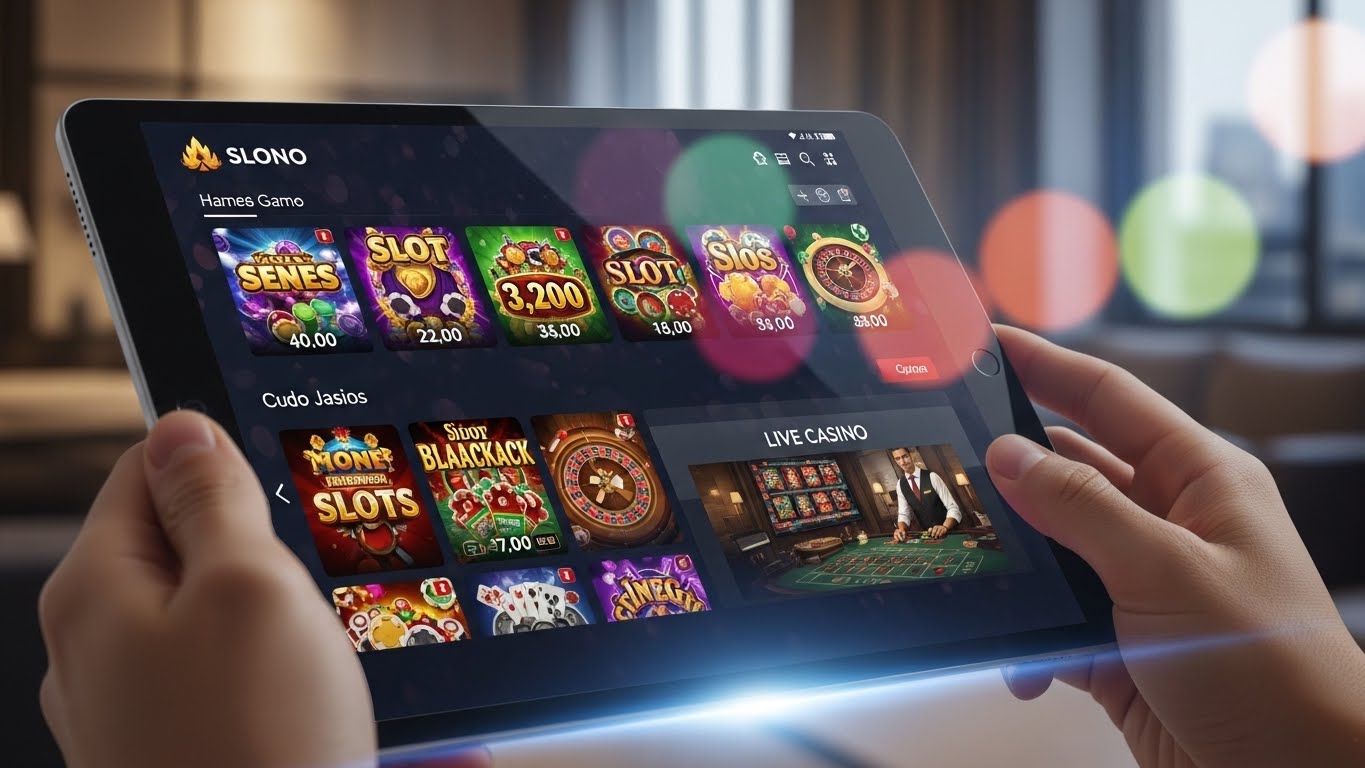
In recent years, the world of gambling and gaming has undergone a massive transformation. The traditional brick-and-mortar casinos, once the primary venues for wagering and gaming, have made way for a rapidly growing industry known as iGaming. iGaming, or internet gaming, refers to the various forms of gambling and gaming activities that take place online. This shift to digital platforms has not only expanded access to games but has also created new opportunities for both players and operators alike. With the global market for iGaming expected to continue growing at a rapid pace, it’s important to understand how the industry operates, what its impact is, and what the future holds for iGaming. In this blog post, we will dive deep into the iGaming world, examining its history, the technology behind it, the economic impact it has, and what the future might look like for this booming sector.
What is iGaming?
At its core, iGaming is the act of engaging in gambling activities over the internet. It includes a variety of gaming options, ranging from online casino games to virtual sports betting, and even esports betting. The most common iGaming activities include online slots, table games like blackjack and roulette, poker, and sports betting. As technology has advanced, so too has the sophistication of online gaming platforms, offering high-quality graphics, live dealer games, and interactive features that make the online gambling experience as immersive as its physical counterparts.
The increasing popularity of smartphones and tablets has made it possible for players to enjoy iGaming on the go, from virtually anywhere in the world. This accessibility has played a significant role in the rapid expansion of the industry, which has now become a multi-billion-dollar market.
A Brief History of iGaming
The history of iGaming can be traced back to the mid-1990s when the internet began to gain mainstream adoption. In 1994, the Caribbean nation of Antigua and Barbuda passed the Free Trade and Processing Act, which allowed companies to obtain licenses to offer online gambling services. This was the first significant step toward the global spread of iGaming.
The late 1990s saw the introduction of online casinos, with the first websites offering gambling games like poker and slots. These early online casinos were rudimentary in design, but they laid the foundation for the massive industry that would follow. By 1998, the first online poker rooms had appeared, and players could now participate in poker games without needing to visit a land-based casino. The popularity of online poker exploded in the early 2000s, with platforms such as PartyPoker and PokerStars attracting millions of players worldwide.
In the years that followed, the growth of broadband internet and improved technology made it easier for developers to create high-quality, interactive games. By the mid-2000s, iGaming had evolved to include a wide variety of online gaming options, from traditional table games to live dealer experiences, where players could interact with real human dealers in real time.
The iGaming Market Today
Today, iGaming is a global industry worth billions of dollars, with online casinos, sports betting platforms, poker rooms, and esports betting sites all contributing to its growth. According to industry reports, the global iGaming market was valued at over $60 billion in 2020, with expectations that it will continue to grow at a compound annual growth rate (CAGR) of around 11% through the 2020s. This growth is being driven by several factors, including technological advancements, increasing smartphone usage, and a growing acceptance of online gambling.
One of the most significant trends in the iGaming industry today is the expansion of mobile gaming. With the advent of smartphones and tablets, players no longer need to be tied to their desktop computers to access online casinos or place sports bets. Many operators have developed mobile-optimized websites and apps that allow players to enjoy their favorite games on the go. Mobile gaming has become a cornerstone of the iGaming experience, contributing heavily to its rapid expansion.
Additionally, the rise of live dealer games has brought the thrill of a land-based casino directly into players’ homes. Using high-definition video streaming, players can interact with real dealers in real time, making the online casino experience feel more authentic. This trend has particularly appealed to players who want a more immersive gambling experience without leaving their homes.
Technology Behind iGaming
The iGaming industry owes much of its success to advances in technology. From the development of secure payment systems to the rise of cutting-edge gaming software, technology has played a pivotal role in shaping the online gambling landscape. Let’s look at some of the key technologies that have driven iGaming forward.
1. Software Development and Gaming Providers
The quality of games offered by iGaming operators is largely dependent on the software providers behind them. Companies like Microgaming, NetEnt, Evolution Gaming, and Playtech have played an integral role in the development of online casino games. These software providers create everything from video slots to table games and even live dealer experiences. Their ability to produce high-quality, immersive games with realistic graphics, sound effects, and animations has significantly improved the player experience and contributed to the popularity of online casinos.
Live casino games, which have become increasingly popular in recent years, rely on state-of-the-art video streaming technology. Players can interact with live dealers in real time, placing bets and making decisions just as they would in a physical casino. This experience is made possible through high-definition cameras, specialized gaming tables, and cutting-edge software.
2. Secure Payment Systems
Security and trust are major concerns for players in the online gambling world. As a result, secure payment methods are critical for the success of iGaming platforms. Payment processors like PayPal, Skrill, Neteller, and traditional banking options are commonly used by players to deposit and withdraw funds. In recent years, the adoption of cryptocurrencies such as Bitcoin and Ethereum has also grown in popularity, as they offer fast, secure, and anonymous transactions.
Operators have invested heavily in secure payment gateways to protect users’ financial information, as well as encryption technology to safeguard personal data. Secure payment systems not only build trust with players but also ensure that financial transactions are processed safely and efficiently.
3. Mobile and App Development
The rise of mobile gaming is one of the most notable trends in iGaming. More players are opting to play on their smartphones or tablets, and operators have responded by developing mobile-optimized versions of their platforms. Many iGaming operators now offer dedicated mobile apps that allow users to access their accounts, deposit and withdraw funds, and enjoy a wide variety of games while on the move.
Mobile gaming has created a more flexible and accessible iGaming experience, allowing players to gamble from anywhere at any time. As smartphone technology continues to improve, mobile gaming is expected to become even more popular, with higher-quality graphics and faster gameplay being the norm.
4. Virtual Reality and Augmented Reality
Virtual Reality (VR) and Augmented Reality (AR) are emerging technologies that are beginning to make their way into the iGaming industry. While still in their infancy, VR and AR have the potential to revolutionize the online gambling experience.
VR technology enables players to immerse themselves in a fully virtual casino environment, where they can interact with other players and live dealers in a 3D space. On the other hand, AR technology overlays digital elements onto the real world, enhancing the physical casino experience. While these technologies are still being refined, they hold tremendous promise for the future of iGaming.
The Economic Impact of iGaming
The iGaming industry has proven to be a significant contributor to the global economy. It generates billions of dollars in revenue each year, not just from gambling activities but also through ancillary sectors such as marketing, software development, and content creation. Online casinos, sports betting platforms, and poker rooms have all created thousands of jobs worldwide, ranging from customer service representatives to software engineers and marketing professionals.
In addition to job creation, iGaming contributes substantial tax revenue for governments. Many countries, such as the United Kingdom, Spain, and New Jersey in the United States, have legalized and regulated online gambling, creating a framework for taxation. This has allowed governments to generate revenue while also ensuring that operators adhere to strict guidelines regarding fairness and consumer protection.
The Future of iGaming
The future of iGaming looks bright, with several trends and technological innovations expected to shape the industry in the coming years. One of the most significant developments will be the continued growth of mobile gaming. As more players turn to smartphones and tablets for their gambling needs, iGaming operators will need to optimize their platforms to meet the demands of mobile users.
Another trend to watch is the integration of artificial intelligence (AI) and machine learning. AI can be used to personalize the player experience, recommend games, and even detect potential problem gambling behavior. It can also be used to improve customer service through chatbots and virtual assistants.
The rise of esports betting is another exciting development in the iGaming world. With the growing popularity of competitive gaming, more players are looking to place bets on esports tournaments and events. Esports betting is expected to become a major part of the iGaming industry, attracting younger audiences who are passionate about video games.
Finally, as online gambling continues to become more mainstream, it is likely that more countries will choose to regulate the industry. This will create new markets for operators to explore and ensure that players are protected from fraud and unfair practices.
Conclusion
iGaming has come a long way since its early days in the mid-1990s, evolving into a global industry that continues to expand at a rapid pace. The combination of technological advancements, increased accessibility, and changing player preferences has helped iGaming become one of the most lucrative and dynamic sectors in the entertainment world. As we look to the future, it’s clear that iGaming will continue to evolve, with new technologies, regulatory frameworks, and market opportunities shaping its path forward. Whether you’re a casual player or a seasoned gambler, the world of iGaming is an exciting space that offers endless possibilities for entertainment and innovation.
About the Author