Introduction: The Digital Revolution of Gaming
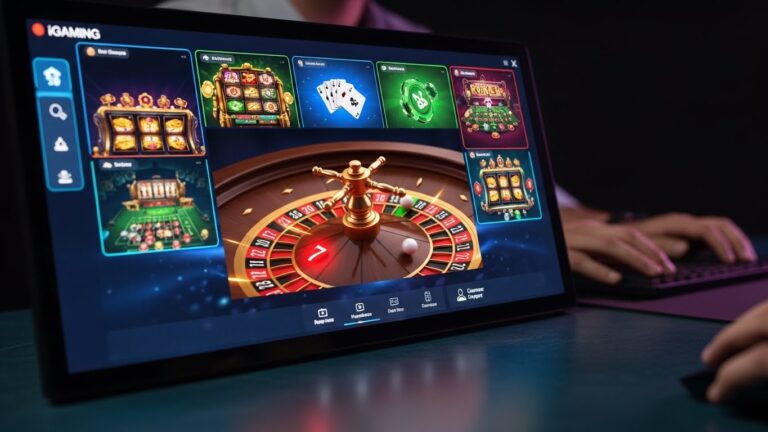
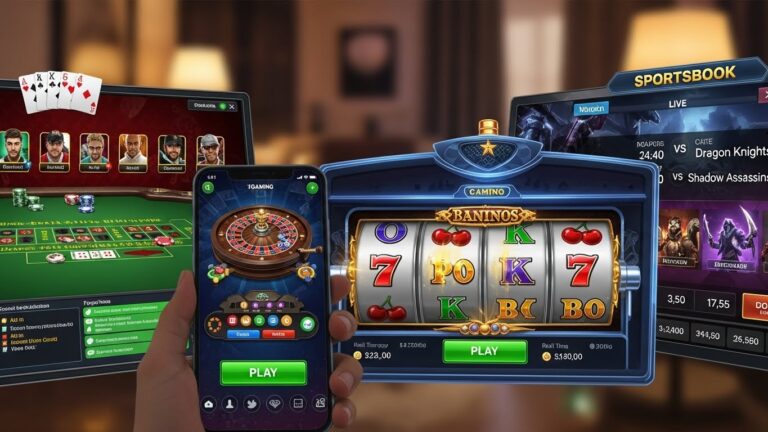
The entertainment industry has undergone a massive transformation in the past two decades. Traditional gaming, which relied heavily on physical casinos, arcades, or betting venues, has been dramatically reshaped by digital technology. At the heart of this transformation lies iGaming, or interactive gaming, which encompasses online casinos, sports betting, lotteries, poker rooms, esports wagering, and a host of other interactive experiences.
iGaming offers convenience, accessibility, and immersive gameplay that traditional gaming formats cannot match. Millions of players worldwide now enjoy games from the comfort of their homes, on their mobile devices, or even while commuting. This blog explores the evolution of iGaming, the factors driving its global popularity, emerging technologies shaping the future, and the challenges the industry faces.
The Evolution of iGaming
The origins of iGaming date back to the late 1990s when the first online casinos and poker sites appeared. These early platforms offered simple gameplay, basic graphics, and limited interactivity. While players were intrigued by the novelty of remote gaming, technological limitations made the experience basic and often unreliable.
Over time, advances in high-speed internet, graphics technology, and software development transformed iGaming into a highly immersive and sophisticated sector. Modern platforms now feature real-time gameplay, live dealer experiences, multi-device compatibility, and instant digital transactions. The evolution of iGaming mirrors broader trends in entertainment, where digital experiences are increasingly prioritized over physical ones.
Why iGaming Has Gained Global Popularity
The rapid expansion of iGaming can be attributed to several key factors:
Convenience and Accessibility
One of the most significant advantages of iGaming is its accessibility. Players can engage in games at any time and from any location. Unlike traditional casinos or betting venues, online platforms remove the need to travel, adhere to opening hours, or follow strict schedules. This convenience appeals to a broad audience, from casual players to dedicated enthusiasts.
Variety and Personalization
iGaming platforms offer an enormous variety of games, from traditional card and table games to modern slot machines, sports betting, and virtual esports tournaments. Advanced algorithms personalize the gaming experience, recommending games tailored to individual preferences. Players can discover new experiences based on their gameplay history, creating a more engaging and rewarding journey.
Technological Advancements
High-quality graphics, smooth gameplay, and immersive audio experiences have elevated online gaming to levels once reserved for physical venues. Innovations like cloud gaming, real-time streaming, and AI-driven game design ensure that digital platforms provide a rich, interactive, and realistic experience.
Social Interaction
Contrary to the misconception that online gaming is isolating, many iGaming platforms integrate social features. Multiplayer rooms, live chats, tournaments, and global leaderboards create a sense of community among players. Digital gaming now replicates—and sometimes surpasses—the social aspects of traditional gaming environments.
Mobile Gaming: A Game-Changer for iGaming
The rise of smartphones has been pivotal in the iGaming boom. Mobile-optimized platforms allow players to access their favorite games anytime, anywhere. Touchscreen interfaces, fast-loading graphics, and mobile payment options have made gaming on the go seamless and engaging.
Mobile wallets and digital payment systems enable instant deposits and withdrawals, eliminating delays associated with traditional banking methods. As a result, mobile gaming is no longer secondary; it is often the primary mode of engagement for millions of players worldwide.
Live Gaming: Bridging Digital and Real
Live dealer games have become a hallmark of modern iGaming. These experiences combine the convenience of digital platforms with the authenticity of real-world casinos. Players can watch live dealers shuffle cards, spin roulette wheels, and interact with other participants in real time.
Live gaming enhances trust and transparency, allowing players to verify fairness while enjoying the social dynamics of traditional venues. The human element adds excitement and engagement, bridging the gap between physical and digital gaming experiences.
Responsible Gaming and Player Safety
As iGaming grows, so does the responsibility to ensure safe and responsible play. Leading platforms incorporate tools that allow players to manage their activity. Features such as deposit limits, time reminders, self-exclusion options, and access to support networks help players enjoy gaming responsibly.
Security is equally crucial. Modern platforms employ advanced encryption, identity verification, and fraud prevention measures to protect sensitive data. These safety measures build trust and ensure players can enjoy their experience with confidence.
Economic Impact of iGaming
iGaming is not just entertainment; it is a significant economic force. The industry generates employment opportunities across software development, cybersecurity, customer support, digital marketing, and compliance sectors. Legalized markets benefit from tax revenues, which support public infrastructure and technological innovation.
Competition within iGaming drives continuous innovation. Companies are motivated to enhance user experience, improve software, and explore new business models, which in turn fuels broader economic growth.
Emerging Technologies Shaping iGaming
Several emerging technologies are poised to redefine the iGaming landscape:
Virtual Reality and Augmented Reality
VR and AR can transform digital gaming by creating fully immersive environments. Players may soon walk through virtual casinos, interact with other users, and experience games as if physically present. While VR iGaming is still developing, its potential to revolutionize digital entertainment is enormous.
Artificial Intelligence and Machine Learning
AI and machine learning enhance personalization, detect fraudulent activity, and optimize gameplay. AI can analyze player behavior to recommend games, improve platform security, and provide efficient customer service. This technology ensures a tailored and safe gaming experience for each user.
Blockchain and Digital Assets
Blockchain introduces transparency and security to iGaming transactions. Players can verify the integrity of deposits, withdrawals, and in-game outcomes. Blockchain also allows the use of digital assets, such as unique tokens or collectibles, which players can trade or utilize across multiple platforms, creating new layers of engagement and ownership.
Gamification Beyond Gaming
Gamification techniques like achievements, challenges, levels, and rewards enhance engagement and retention. These mechanics are not limited to traditional games; they influence other sectors, demonstrating the power of interactive digital experiences in shaping user behavior and loyalty.
Challenges Facing the iGaming Industry
Despite its rapid growth, iGaming faces challenges that require attention. Regulatory frameworks vary widely across regions, making compliance complex. Cybersecurity threats demand constant vigilance, while responsible gaming initiatives must continue evolving to protect vulnerable players. Ensuring trust, fairness, and ethical practices remains a central priority.
Global Reach and Market Expansion
iGaming is no longer restricted to established gambling hubs. Emerging markets in Asia, South America, and Africa are experiencing rapid growth due to rising internet penetration, mobile adoption, and interest in digital entertainment. This expansion drives innovation, cultural adaptation, and new opportunities for developers and operators.
The Future of iGaming
The future of iGaming is bright. Mobile gaming, VR, AR, AI, and blockchain technologies will redefine digital experiences. Platforms will continue to focus on personalization, security, and responsible play. Global expansion and technological adoption ensure that iGaming will remain a dominant form of entertainment for years to come.
As the industry evolves, it will not only provide entertainment but also drive innovation, economic growth, and new digital experiences. iGaming is no longer just a form of play; it is a dynamic, influential force shaping the future of digital interaction.
Conclusion
iGaming represents the intersection of technology, entertainment, and human interaction. Its rise from simple online games to a global, multi-billion-dollar industry illustrates the power of digital transformation. Convenience, social engagement, technological innovation, and responsible gaming are the pillars of its success.
With continuous advancements in mobile gaming, immersive technologies, and personalized experiences, iGaming is set to remain at the forefront of digital entertainment. As players worldwide embrace these new forms of interaction, iGaming will continue to redefine how we play, compete, and enjoy digital leisure.
About the Author