Introduction to iGaming
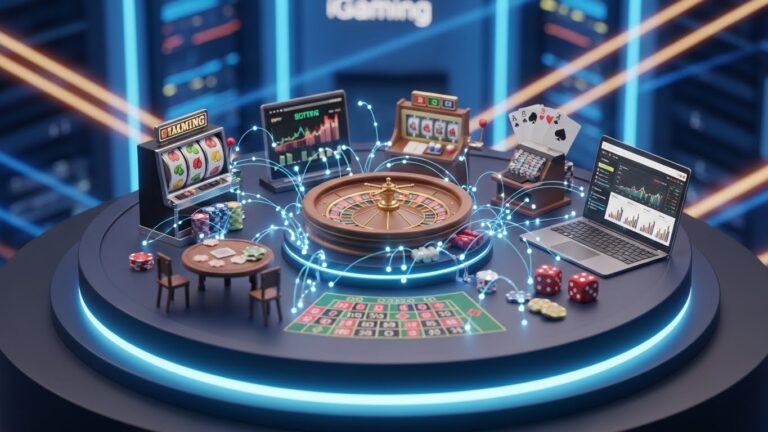
In recent years, iGaming has emerged as one of the fastest-growing sectors in the entertainment industry. Unlike traditional gaming, iGaming encompasses a wide array of online games, including online casinos, poker, sports betting, and other digital gaming experiences. With the rise of internet accessibility, mobile technology, and innovative gaming platforms, iGaming has transformed from a niche hobby into a mainstream form of entertainment for millions of players worldwide.
The term iGaming, short for “interactive gaming,” reflects the digital and interactive nature of these games. Players no longer need to visit physical casinos or betting shops; they can enjoy immersive gaming experiences from the comfort of their homes. This digital revolution has not only made gaming more convenient but has also introduced innovative gameplay mechanics, social interactions, and reward systems that redefine the traditional concept of gaming.
The Evolution of iGaming
The origins of iGaming can be traced back to the early 1990s, when the first online casinos started appearing on the internet. These early platforms offered basic games such as blackjack, roulette, and poker, primarily aimed at desktop users. However, technological limitations restricted the graphics, speed, and interactivity of these early platforms.
With the advancement of internet speed, mobile technology, and software development, iGaming experienced a rapid transformation. Modern platforms now provide high-quality graphics, real-time multiplayer interactions, and live dealer experiences that closely replicate the ambiance of traditional casinos. Furthermore, the introduction of mobile apps has made iGaming accessible anytime and anywhere, allowing users to enjoy gaming on the go.
Types of iGaming
iGaming is a diverse field, catering to a wide variety of player preferences. The main types of iGaming include:
Online Casino Games
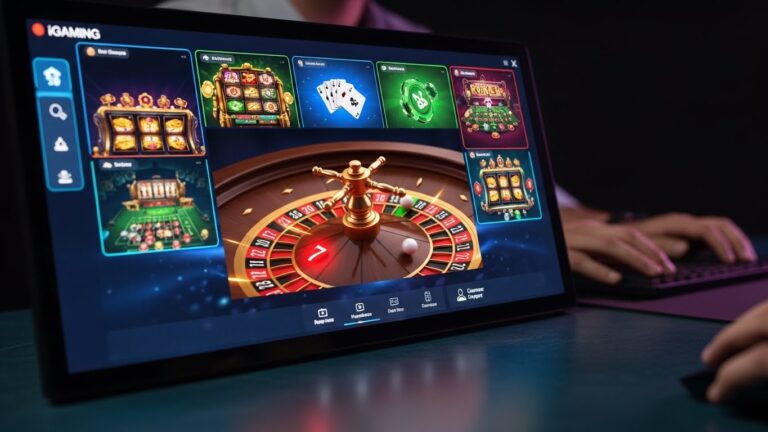
Online casino games are at the core of the iGaming industry. These platforms offer classic table games like blackjack, baccarat, and roulette, along with a vast range of slot games featuring immersive themes, animations, and interactive bonus rounds. Many modern online casinos also provide live dealer games, where players can engage with real-life dealers via high-definition video streaming.
Online Poker
Poker has been a staple of both physical and online gaming. Online poker platforms offer multiple variations, such as Texas Hold’em, Omaha, and Seven Card Stud. These platforms often include tournaments, cash games, and innovative features like multi-table play, allowing players to compete in different games simultaneously.
Sports Betting
Sports betting is another crucial aspect of iGaming. From traditional sports like football, basketball, and horse racing to eSports competitions, online platforms allow players to place bets conveniently. Real-time odds, in-play betting, and predictive analytics have revolutionized the way players engage with sports events, making the betting experience more dynamic and strategic.
eSports Betting
With the explosive growth of competitive video gaming, eSports betting has emerged as a significant segment within iGaming. Players can bet on professional gaming tournaments for titles like League of Legends, Dota 2, and Counter-Strike. This form of betting appeals particularly to younger audiences familiar with gaming culture and digital ecosystems.
The Role of Technology in iGaming
Technology has been a driving force behind the expansion and innovation of iGaming. Software developers continuously enhance gaming platforms to provide realistic graphics, smooth animations, and secure transaction processes. Key technological elements include:
Mobile Gaming
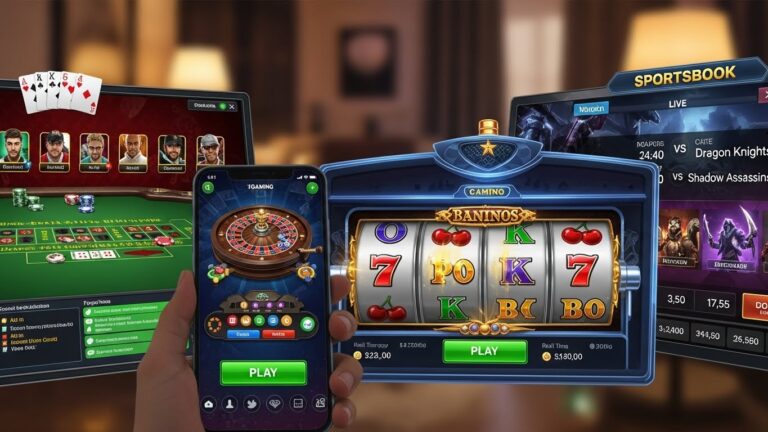
Mobile technology has revolutionized iGaming by allowing players to enjoy games on smartphones and tablets. Mobile apps are designed with user-friendly interfaces, ensuring seamless navigation and gameplay. This accessibility has contributed significantly to the rapid growth of the iGaming industry worldwide.
Virtual Reality and Augmented Reality
Virtual Reality (VR) and Augmented Reality (AR) technologies are transforming the way players experience iGaming. VR casinos offer fully immersive environments where players can walk around virtual gaming halls, interact with other players, and play games as if they were physically present. AR technology, on the other hand, overlays interactive elements onto real-world environments, creating a more engaging gaming experience.
Artificial Intelligence
Artificial Intelligence (AI) plays a vital role in personalizing player experiences. AI algorithms analyze player behavior to provide tailored recommendations, optimize game mechanics, and enhance customer support through chatbots. Moreover, AI helps in detecting fraudulent activities and ensuring fair gameplay, creating a safer and more trustworthy gaming environment.
Blockchain and Cryptocurrencies
Blockchain technology is increasingly being integrated into iGaming platforms to enhance transparency, security, and speed of transactions. Cryptocurrencies such as Bitcoin, Ethereum, and other digital assets enable fast and secure deposits and withdrawals, while smart contracts ensure fair and automated payouts. This technological advancement has attracted a new wave of tech-savvy players to the iGaming industry.
Legal and Regulatory Landscape
The rapid growth of iGaming has prompted governments worldwide to establish legal frameworks to regulate the industry. Licensing authorities ensure that platforms operate fairly, protect player data, and promote responsible gaming. Regulations vary significantly between countries, with some jurisdictions offering fully legalized and regulated online gambling, while others maintain strict prohibitions.
Regulatory oversight has also encouraged the adoption of responsible gaming measures. Tools such as deposit limits, self-exclusion programs, and reality checks help players maintain control over their gaming activities. Compliance with regulatory standards not only safeguards players but also enhances the credibility and reputation of iGaming platforms.
The Social and Cultural Impact of iGaming
iGaming is more than just a form of entertainment; it has become a social and cultural phenomenon. Online gaming communities foster social interactions, collaboration, and competition among players from different parts of the world. Multiplayer games and live dealer platforms create opportunities for players to communicate, form friendships, and engage in shared experiences.
Culturally, iGaming has influenced popular media, lifestyle trends, and digital marketing strategies. The gamification of online platforms extends beyond traditional gaming, impacting areas such as education, fitness, and financial services. This crossover demonstrates the broad appeal and versatility of interactive digital experiences.
Economic Impact of iGaming
The iGaming industry contributes significantly to global economies. Online casinos, sports betting platforms, and related services generate billions in revenue annually. These platforms create jobs in software development, customer support, marketing, and regulatory compliance. Additionally, governments benefit from taxation and licensing fees, which support public services and infrastructure development.
The economic potential of iGaming extends to technological innovation as well. Investment in software development, cybersecurity, and blockchain solutions stimulates growth in the tech sector, driving further advancements that benefit other industries.
Responsible Gaming and Player Safety
As iGaming continues to grow, ensuring responsible gaming practices and player safety remains a top priority. Operators implement features designed to prevent gambling addiction, such as time limits, spending caps, and self-exclusion options. Player protection policies also emphasize secure payment methods, data encryption, and transparency in odds and payouts.
Education plays a vital role in promoting responsible gaming. Awareness campaigns, informational resources, and support services provide players with the knowledge and tools needed to engage in gaming safely. By fostering responsible habits, the industry balances entertainment with ethical and social responsibility.
Future Trends in iGaming
The future of iGaming promises continued innovation and expansion. Emerging trends include:
Integration of Artificial Intelligence
AI will become increasingly sophisticated in tailoring personalized gaming experiences, predicting player preferences, and enhancing interactive gameplay. Advanced algorithms will also improve security and fairness in digital platforms.
Expansion of Mobile and Cloud Gaming
The convenience of mobile and cloud gaming will continue to attract new players. Cloud-based platforms eliminate the need for hardware-intensive devices, allowing seamless gaming across multiple devices and locations.
Rise of Social and Gamified Experiences
Gamification and social interaction will remain key drivers in iGaming. Platforms that integrate leaderboards, achievements, and social networking features will create deeper engagement and community-building opportunities.
Cryptocurrency Adoption
As digital currencies become more mainstream, cryptocurrency-based gaming platforms will grow in popularity. Fast, secure, and transparent transactions will appeal to players seeking privacy and efficiency.
Virtual Reality and Augmented Reality Innovations
The continued development of VR and AR will elevate immersion levels, making online gaming more lifelike and interactive. These technologies may redefine the very concept of digital entertainment.
Conclusion
iGaming has evolved from simple online card games to a multi-faceted, technologically advanced, and globally influential industry. Its combination of convenience, innovation, and social engagement has transformed the way people interact with digital entertainment. As technology advances and regulations mature, iGaming is poised for further growth, offering players new and exciting experiences while contributing significantly to economic, technological, and cultural landscapes.
The future of iGaming is bright, driven by immersive technology, innovative gameplay, and a growing global audience. For players and operators alike, the industry represents a dynamic intersection of entertainment, technology, and opportunity, shaping the way the world experiences gaming in the digital age.
About the Author