Introduction: The Digital Revolution of Competitive Play
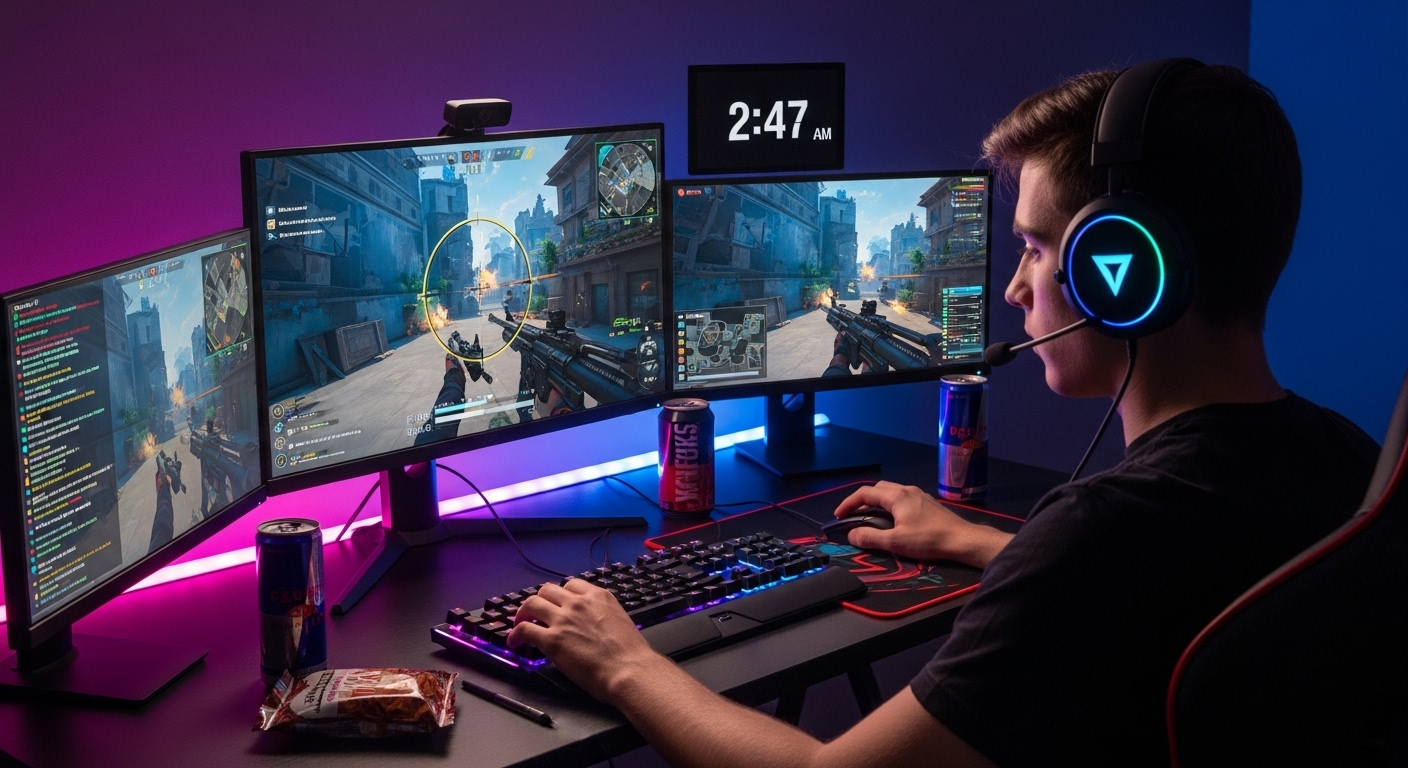
In the 21st century, few phenomena have grown as rapidly and dramatically as esports. What was once seen as a niche pastime for gaming enthusiasts has transformed into a global cultural and economic powerhouse. Esports, or electronic sports, represents the competitive side of video gaming, where professional players and teams compete for prestige, massive prize pools, and the attention of millions of fans worldwide. Over the past two decades, esports has evolved from small-scale local tournaments to global competitions that rival traditional sports in viewership, sponsorship, and influence. This transformation marks a pivotal moment in the history of entertainment, technology, and sports culture.
The Origins of Esports: From Arcades to Arenas
To understand the rise of esports in the modern world, it’s essential to trace its roots back to the late 20th century. The concept of competitive gaming began in the 1970s and 1980s when early arcade games like Space Invaders, Pac-Man, and Donkey Kong captivated a generation of young players. In 1980, Atari hosted the first major video game competition, the Space Invaders Championship, which drew over 10,000 participants. This event laid the foundation for competitive gaming and hinted at the potential of video games as a spectator activity.
During the 1990s, advancements in personal computing and internet connectivity paved the way for multiplayer games. Titles like Doom, Quake, and StarCraft became popular in gaming communities and began shaping the competitive landscape. South Korea played a particularly important role during this period. The country’s investment in high-speed internet infrastructure and the cultural acceptance of gaming led to the formation of professional leagues and televised esports matches. The Korean StarCraft scene became a model for the global esports industry that would emerge in the 2000s and 2010s.
The 21st Century Explosion: From Hobby to Industry
The new millennium brought unprecedented technological progress and global connectivity, which proved to be the perfect environment for esports to thrive. Online multiplayer games such as Counter-Strike, Warcraft III, and Dota gained massive popularity, while platforms like Twitch and YouTube revolutionized how people consumed gaming content. Suddenly, anyone could watch professional gamers compete in real-time, interact with them through live chat, and even build their own communities around shared interests.
This accessibility helped esports break geographic and cultural barriers. Players from different continents could compete in the same tournament, while fans from around the world could watch and support their favorite teams. As internet speeds improved and streaming became mainstream, esports was no longer limited to internet cafes or gaming conventions—it entered living rooms and mobile devices globally.
Major Titles That Defined Esports Growth
Certain games have played a defining role in shaping esports into the massive industry it is today. Among them are:
- Counter-Strike – A pioneer in tactical first-person shooters, Counter-Strike laid the foundation for team-based esports competition. Its emphasis on strategy, precision, and teamwork created one of the most enduring esports scenes.
- League of Legends – Released in 2009, Riot Games’ League of Legends became a global sensation. Its competitive structure, frequent updates, and massive international tournaments such as the League of Legends World Championship attracted millions of fans.
- Dota 2 – Known for its complexity and skill ceiling, Dota 2 became famous for The International, a tournament offering multi-million-dollar prize pools funded by its player base.
- Fortnite – Blending building mechanics with battle royale gameplay, Fortnite introduced esports to a younger, more mainstream audience. The Fortnite World Cup in 2019 showcased the global potential of gaming competitions.
- Valorant, Overwatch, and Call of Duty – These modern titles further expanded the esports ecosystem by introducing new formats, regional leagues, and professional infrastructures.
Each of these games contributed to esports’ diversification, drawing in audiences from various genres—strategy, shooters, sports simulations, and even mobile gaming.
The Role of Streaming and Media Platforms
No other factor has been as critical to the global rise of esports as streaming platforms. Before the 2010s, watching video game competitions was largely limited to in-person events or recorded videos. The introduction of Twitch in 2011 changed everything. For the first time, players could broadcast their gameplay to a live audience while engaging in real-time interaction. This direct connection between players and fans fostered a sense of community unlike anything seen in traditional sports.
YouTube Gaming, Facebook Gaming, and other platforms followed suit, competing to host exclusive tournaments and content creators. Esports became not just a competition, but a form of entertainment and social interaction. Fans could now follow their favorite players’ daily streams, learn from their strategies, and even donate to support them. The result was an interconnected ecosystem where professional gaming, content creation, and fan engagement thrived together.
The Economic Boom: Sponsorships, Teams, and Brands
Esports’ rise is not only cultural but also financial. What started as amateur competitions in small venues has evolved into a billion-dollar global industry. Major corporations, including tech companies, beverage brands, and apparel manufacturers, have recognized esports’ marketing potential. Sponsorships and advertising revenue now account for a significant portion of esports’ income.
Professional esports organizations, such as Team Liquid, Cloud9, T1, and Fnatic, operate like traditional sports franchises. They sign players to contracts, secure sponsorship deals, and compete across multiple game titles. These organizations also generate revenue through merchandise, media rights, and live events. The growing legitimacy of esports has led investors to pour millions into team infrastructure, player development, and league creation.
Prize pools have also grown dramatically. The International 2021 for Dota 2 offered over 40 million dollars, making it one of the richest tournaments in competitive gaming history. This level of financial reward attracts not only talented gamers but also business professionals who see esports as the next frontier of global entertainment.
Esports Infrastructure and Global Leagues
The establishment of structured leagues and international tournaments has been crucial for esports’ professionalization. Riot Games’ League of Legends Championship Series, Blizzard’s Overwatch League, and Valve’s Dota Pro Circuit are examples of how publishers are adopting models similar to traditional sports organizations. These leagues feature seasonal play, franchised teams, and regional divisions, ensuring competitive consistency and fan engagement.
Countries such as South Korea, China, the United States, and several in Europe have built state-of-the-art esports arenas capable of hosting thousands of spectators. Cities like Seoul, Shanghai, Los Angeles, and Berlin have become esports capitals, drawing international audiences for major events. The presence of dedicated training facilities, esports academies, and coaching staff further demonstrates how far the industry has matured.
Esports as a Career Path
In the early days of gaming, few imagined that playing video games could lead to a stable career. Today, esports professionals earn substantial salaries, secure sponsorships, and even achieve celebrity status. Beyond players, the industry provides numerous career opportunities—casters, analysts, coaches, event organizers, content creators, and marketing professionals all play essential roles in the ecosystem.
Universities across the world now offer esports scholarships and degree programs focusing on game management, digital marketing, and broadcasting. This academic recognition marks a significant step toward legitimizing esports as a viable profession. Countries like the United States, United Kingdom, and South Korea have already seen esports programs flourish at the collegiate level, further ensuring a new generation of trained professionals enters the field.
The Cultural Impact of Esports
Esports has transcended gaming and become a major cultural movement. It influences music, fashion, technology, and even education. Celebrity collaborations between gamers and musicians, exclusive merchandise drops, and global fan communities highlight the blending of entertainment and digital culture.
Social media has amplified this impact, allowing fans to connect instantly with their favorite players and organizations. The rise of gaming influencers and esports personalities has created a new type of celebrity culture centered around digital skill and personality. Furthermore, esports promotes cross-cultural exchange, as players from diverse backgrounds compete and interact on a global stage, fostering unity through competition.
Challenges Facing the Esports Industry
Despite its remarkable success, esports faces several challenges that must be addressed for sustainable growth. Player burnout is one of the most pressing issues. Professional gamers often face intense training schedules, mental stress, and the pressure of constant competition. Unlike traditional sports, esports careers are relatively short, with most players retiring in their mid-20s due to mental and physical strain.
Other concerns include regulatory issues, integrity in competition, and the need for standardized global governance. Cheating, match-fixing, and the misuse of performance-enhancing substances have occasionally marred esports’ reputation. Establishing clear ethical guidelines, player rights, and international oversight remains essential for the industry’s long-term credibility.
Esports and Traditional Sports: The Growing Convergence
The boundary between esports and traditional sports is steadily blurring. Major sports organizations and athletes have begun investing in esports teams and events. Football clubs such as Paris Saint-Germain and Manchester City have their own esports divisions, while NBA franchises participate in the NBA 2K League.
This collaboration benefits both sides: traditional sports gain access to younger digital audiences, and esports receive legitimacy and exposure through established sports networks. The inclusion of esports in multi-sport events, such as the Asian Games, further reinforces its growing recognition as a legitimate athletic discipline.
The Role of Technology and Innovation
Technological advancements have been instrumental in esports’ meteoric rise. High-speed internet, powerful gaming hardware, and sophisticated software tools allow players and viewers to experience seamless competition. Innovations such as virtual reality, augmented reality, and cloud gaming promise to push the boundaries even further.
Data analytics and artificial intelligence are now being used to enhance player performance, strategize gameplay, and optimize audience engagement. As 5G and cloud technologies expand, esports will continue to evolve, offering more immersive experiences and reaching new markets worldwide.
Mobile Esports and Accessibility
One of the most significant trends in recent years is the surge of mobile esports. Games like PUBG Mobile, Mobile Legends, and Free Fire have opened up the competitive gaming scene to millions of players in regions where access to high-end PCs or consoles is limited. Mobile esports tournaments now attract massive audiences, particularly in Asia, Latin America, and Africa.
The accessibility of mobile gaming ensures that esports is not confined to developed nations. Anyone with a smartphone and an internet connection can participate, making esports a truly global phenomenon. This inclusivity is key to sustaining the industry’s rapid expansion in the years to come.
The Future of Esports: What Lies Ahead
Looking ahead, the future of esports appears brighter than ever. Analysts predict continued growth in audience size, revenue, and mainstream recognition. As virtual reality and AI-driven gaming environments become more sophisticated, esports will likely offer even more engaging and interactive experiences for fans and players alike.
Moreover, the integration of esports into education and community programs will continue to legitimize gaming as a valuable skill set that encourages teamwork, strategic thinking, and technological literacy. With ongoing support from investors, educators, and policymakers, esports has the potential to become one of the defining industries of the 21st century.
Conclusion: The Global Phenomenon Redefining Entertainment
The global rise of esports in the 21st century represents far more than the success of a new form of entertainment—it signifies a shift in how society perceives competition, technology, and culture. From humble arcade beginnings to global arenas filled with cheering fans, esports has redefined what it means to be an athlete in the digital age.
About the Author