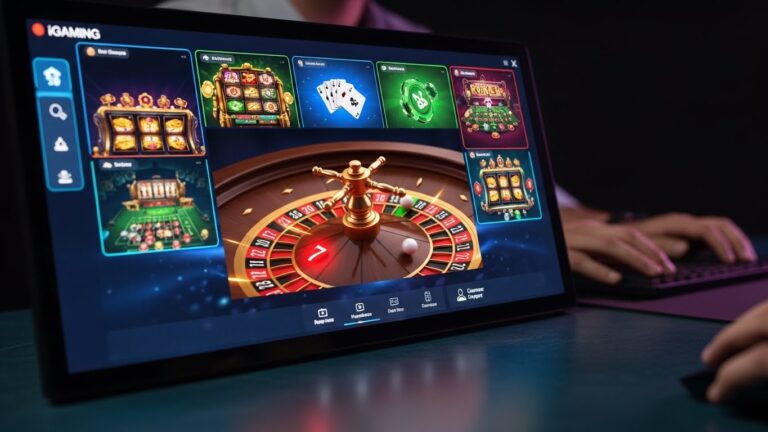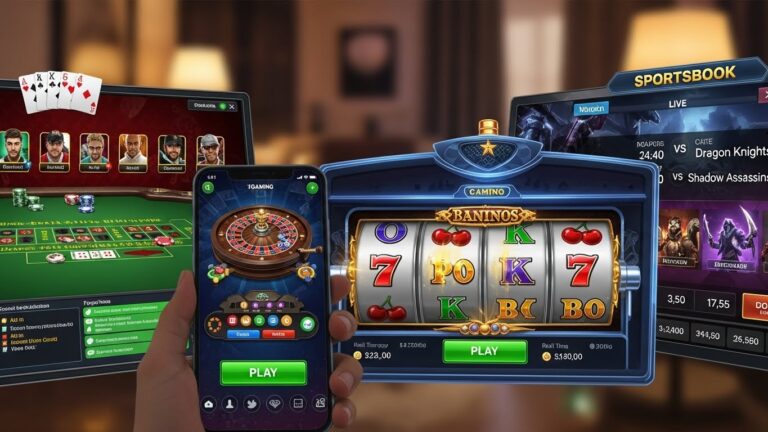
In recent years, the world of iGaming has experienced an explosive growth trajectory, with millions of players worldwide embracing online gaming platforms for entertainment, skill-based challenges, and even potential monetary rewards. The rise of iGaming has transformed the entertainment and gaming industries, creating a digital landscape where everything from poker and casino games to esports and virtual sports can be enjoyed from the comfort of one’s home. In this blog post, we will explore the evolution of iGaming, its key components, how technology has shaped its growth, and what the future holds for the industry.
What is iGaming?
iGaming, short for interactive gaming, refers to the wide range of online games that allow players to engage with digital platforms in real-time, often with the opportunity to wager money, win prizes, or participate in skill-based competitions. While iGaming typically includes online casino games, virtual sports, poker, and bingo, it has also expanded to encompass competitive esports tournaments, mobile gaming, and fantasy sports leagues. The common thread that ties all these categories together is the interactive, online, and real-time nature of the gaming experience.
The iGaming industry combines the thrill of traditional gaming with the accessibility and convenience of the internet, making it available to players from around the globe at any time of day. Players can access a wide variety of gaming experiences, whether they are looking for casual entertainment or high-stakes action.
The Evolution of iGaming: From Traditional Casinos to Online Platforms
The concept of iGaming can be traced back to the early days of the internet. In the 1990s, when the internet began to take off, companies started to explore the possibility of taking traditional casino games online. The first online casino, InterCasino, was launched in 1996, offering players the chance to gamble on games such as blackjack, roulette, and slot machines from the comfort of their homes. This marked the beginning of the digital casino revolution.
At the same time, the rise of online poker also helped fuel the growth of iGaming. The launch of PokerStars in 2001 and the subsequent success of sites like PartyPoker allowed players to compete against each other in virtual poker rooms, recreating the social experience of poker without the need to visit a physical casino. Online poker became especially popular during the early 2000s, with the “Poker Boom” of the mid-2000s bringing massive attention to the world of online poker.
The success of these early ventures laid the foundation for the exponential growth of iGaming in the following decades. As broadband internet speeds improved and digital payment systems became more secure, the popularity of online casinos and poker rooms soared. Over time, the variety of games and platforms expanded, offering everything from traditional table games to live dealer experiences, sports betting, and esports.
Key Components of iGaming
While iGaming encompasses a broad range of online gaming activities, there are a few core components that make up the industry. These elements define the player experience and contribute to the overall success of iGaming platforms.
1. Online Casinos and Slots
Online casinos are perhaps the most popular and widely recognized part of the iGaming industry. These platforms offer a wide variety of traditional casino games, such as blackjack, roulette, baccarat, and poker, as well as an array of digital slot machines. Online casinos have become highly sophisticated, with cutting-edge graphics, realistic sound effects, and engaging gameplay designed to replicate the physical casino experience.
In addition to traditional games, modern online casinos offer a vast selection of video slots, with themes ranging from ancient mythology to popular TV shows and movies. Many of these games include bonus features, free spins, and progressive jackpots, which add excitement and potential rewards to the experience.
2. Sports Betting
Sports betting is another significant component of the iGaming ecosystem. With the rise of online betting platforms, players can now wager on a wide variety of sports events, ranging from football, basketball, and soccer to niche sports like cricket, tennis, and esports. Online sportsbooks provide odds on games, allowing players to bet on outcomes such as match results, player statistics, and even in-play events, which occur during the course of a game.
The integration of live betting has also added an exciting dynamic to sports wagering. With live betting, players can place bets during the course of an ongoing match, taking advantage of real-time statistics and changes in odds. This has made sports betting more dynamic and interactive, offering a heightened level of excitement for players.
3. Poker and Table Games
Poker, once a staple of physical casinos, has become one of the most popular games in the online gaming space. Online poker rooms like PokerStars and 888poker offer a variety of poker games, including Texas Hold’em, Omaha, and Seven-Card Stud, catering to both casual players and professional gamblers. Poker tournaments, both large and small, are frequently held online, offering players the chance to compete for large cash prizes or even entry into prestigious live tournaments like the World Series of Poker (WSOP).
In addition to poker, many online casinos also offer virtual versions of traditional table games like blackjack, baccarat, and craps. These games replicate the excitement and strategy of casino floor games, while offering the convenience of playing from home.
4. Esports and Fantasy Sports
Esports has become one of the fastest-growing segments within the iGaming industry. Professional video game tournaments, such as League of Legends, Dota 2, Fortnite, and Counter-Strike: Global Offensive, have attracted millions of viewers and players alike. Competitive gaming now boasts a massive fan base, with tournaments offering multi-million-dollar prize pools and global recognition.
Fantasy sports, particularly fantasy football and fantasy basketball, are also a major part of iGaming. These platforms allow players to draft their teams, manage lineups, and compete based on the real-world performance of athletes in various sports. Daily Fantasy Sports (DFS) platforms like DraftKings and FanDuel have taken the concept to the next level, allowing players to participate in daily or weekly contests rather than long-term leagues.
The Role of Technology in Shaping iGaming
One of the most significant factors driving the growth of iGaming is technological innovation. Over the years, advancements in internet connectivity, digital payment systems, and game development have all contributed to the success of the industry.
1. Mobile Gaming
One of the most significant developments in the iGaming world has been the rise of mobile gaming. With the advent of smartphones, players can now access their favorite online casinos, poker rooms, and sportsbooks on the go. Mobile apps and mobile-optimized websites make it easy for players to gamble from anywhere, whether they are waiting in line, traveling, or lounging at home.
Mobile gaming has expanded the reach of iGaming, allowing it to appeal to a broader audience. Games that were once limited to desktops are now available in pocket-sized formats, offering the same high-quality graphics and immersive experiences.
2. Live Dealer Games
Live dealer games have become an increasingly popular feature in online casinos. These games provide an authentic casino experience by streaming real-life dealers via live video feeds, allowing players to interact with the dealer and other players in real-time. Live blackjack, roulette, and baccarat have become staples of the live casino experience, offering a unique combination of digital convenience and traditional casino vibes.
The technology behind live dealer games has improved significantly, with high-definition video streams, multiple camera angles, and interactive chat features all enhancing the player experience. As internet speeds and streaming technology continue to improve, live dealer games will become even more realistic and engaging.
3. Cryptocurrency and Blockchain Technology
Cryptocurrencies like Bitcoin and Ethereum are starting to gain traction in the iGaming world, providing players with an alternative to traditional payment methods. Many online casinos and sportsbooks now accept cryptocurrency deposits and withdrawals, offering enhanced security, faster transactions, and increased anonymity for players.
Blockchain technology, which underpins cryptocurrencies, has also been explored for its potential to increase transparency and fairness in online gaming. Some iGaming platforms are using blockchain to verify game outcomes and ensure that results are provably fair, giving players greater confidence in the integrity of their games.
The Future of iGaming
The future of iGaming looks incredibly promising. As technology continues to advance, we can expect further innovations that will reshape the industry. Some of the key trends shaping the future of iGaming include:
1. Virtual Reality (VR) Gaming
Virtual reality has the potential to revolutionize the iGaming industry by offering fully immersive gaming experiences. VR casinos could allow players to interact with 3D environments, sit at virtual poker tables, and even compete in virtual slot tournaments. As VR technology becomes more accessible and affordable, it could usher in a new era of online gaming.
2. Artificial Intelligence (AI) and Personalization
AI is already being used to enhance the player experience by offering personalized recommendations based on player behavior and preferences. In the future, AI could take this further by providing customized gaming experiences, adjusting game difficulty, or offering tailored bonuses based on player activity.
3. Regulation and Legalization
As the iGaming industry continues to grow, we can expect increased regulation and legalization of online gaming in more regions. Governments around the world are recognizing the potential for tax revenue from the iGaming industry, and many are beginning to regulate and legalize online gambling. This will provide a safer and more secure environment for players while allowing operators to thrive in a regulated market.
Conclusion
The iGaming industry has come a long way since its early days, evolving into a dynamic and diverse sector that spans online casinos, esports, sports betting, poker, and more. Technological advancements, such as mobile gaming, live dealer experiences, and cryptocurrencies, have helped shape iGaming into the thriving industry it is today.
About the Author