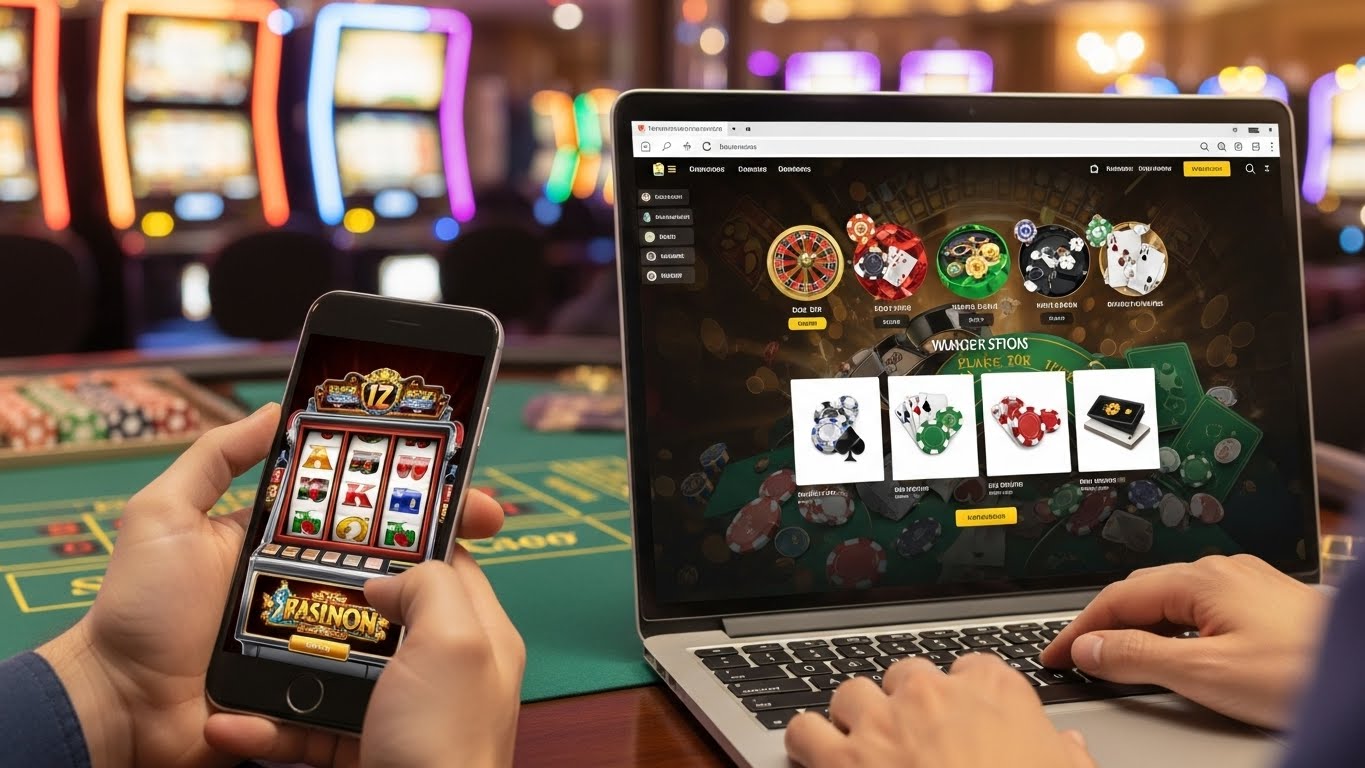
iGaming, or interactive gaming, has taken the world by storm, becoming a multibillion-dollar industry with a rapidly growing user base. From online casinos to sports betting platforms, online gaming has evolved into a massive global phenomenon. It not only represents a significant shift in how people engage with entertainment but also demonstrates the powerful impact of technological innovation on the gaming landscape. In this post, we’ll explore the world of iGaming, its evolution, the technology behind it, and what the future holds for this booming industry.
Understanding iGaming: What is It?
At its core, iGaming refers to any form of gaming or gambling conducted via the internet. This encompasses a wide variety of activities, including online casino games (such as poker, blackjack, slots), sports betting, bingo, esports betting, and even virtual sports. The growing popularity of iGaming can be attributed to several factors, such as technological advancements, the convenience of online platforms, and changing consumer preferences.
Unlike traditional gambling, where individuals must visit a physical casino or sports betting venue, iGaming offers players the ability to play from the comfort of their homes. Online platforms have introduced innovative ways to experience the thrill of gambling, from live dealer tables that simulate real-life casino environments to virtual slot machines with immersive graphics.
The Evolution of iGaming
iGaming has come a long way since its inception in the mid-1990s. The first online casino, InterCasino, was launched in 1996, marking the beginning of an entirely new form of entertainment. The industry slowly grew as more and more platforms began offering online gambling services. By the early 2000s, internet speeds were faster, and the rise of secure online payment methods made transactions safer, helping to pave the way for iGaming’s widespread adoption.
However, the iGaming industry truly exploded with the advent of mobile technology. Smartphones and tablets revolutionized the way people interacted with games. Players were no longer confined to a desktop computer; they could now access their favorite casino games or place sports bets on the go, anytime and anywhere.
In recent years, the integration of live gaming features, virtual reality (VR), and artificial intelligence (AI) has taken iGaming to a whole new level. Live dealer games, where players can interact with real human dealers through video streaming, have created a more authentic experience. Meanwhile, AI has been used to improve gaming algorithms, providing players with more personalized experiences and enhancing the functionality of game platforms.
The Role of Technology in iGaming’s Growth
Technology has been the driving force behind the growth and transformation of iGaming. Let’s take a closer look at some of the key technological developments that have shaped the industry:
1. Mobile Technology
The mobile revolution has been perhaps the most significant factor in iGaming’s rise. With smartphones and tablets becoming ubiquitous, online gaming platforms adapted by developing mobile-optimized websites and apps. This shift has made it easier for players to gamble and play games on the go. Mobile iGaming apps are designed to be user-friendly, offering a seamless experience with responsive layouts, smooth gameplay, and easy-to-use interfaces.
Moreover, mobile gaming has introduced new opportunities for social interaction. Many apps now include social features such as chat rooms, leaderboards, and the ability to play with friends, further enhancing the overall gaming experience.
2. Live Dealer Games
Live dealer games have brought the real-world casino experience to the online realm. By using video streaming technology, online casinos now offer live blackjack, roulette, baccarat, and poker, where players can interact with human dealers in real time. These games combine the excitement of traditional casinos with the convenience of playing from home.
For players, live dealer games create an authentic, immersive atmosphere. Dealers are trained professionals who engage with players just like in a physical casino, adding a personal touch that traditional online games can’t replicate.
3. Artificial Intelligence (AI) and Machine Learning
AI and machine learning have begun to play a pivotal role in iGaming. One of the most significant uses of AI in online gaming is in the realm of personalization. By analyzing user data, AI algorithms can suggest games based on a player’s preferences, creating a more tailored experience. Additionally, AI is being used to detect fraudulent behavior, ensuring fair play and security.
Machine learning also plays a key role in game development, where algorithms can help improve game dynamics, making them more engaging and challenging. AI is even being used to design non-player characters (NPCs) in some virtual gaming environments, allowing for more realistic interactions in games such as online poker.
4. Virtual and Augmented Reality (VR and AR)
Virtual Reality (VR) and Augmented Reality (AR) are still emerging technologies in the iGaming industry, but they hold enormous potential. VR headsets can transport players into immersive digital worlds, providing an unprecedented level of engagement. Imagine playing a casino game where you walk through a virtual casino, interact with other players, and sit at the table with a live dealer—all from the comfort of your home.
On the other hand, AR can enhance the physical environment by superimposing digital elements over real-world surroundings. This could change how sports betting is done, for example, by overlaying live odds and statistics onto the screen while watching a game.
5. Blockchain Technology
Blockchain technology is slowly making its way into iGaming platforms. Known for its secure, decentralized nature, blockchain offers transparency and fairness in transactions. Players can track bets and payouts in a way that is immutable and transparent. This technology has the potential to combat fraud and manipulation in online gaming, increasing player trust in these platforms.
Additionally, cryptocurrencies such as Bitcoin and Ethereum are becoming popular payment methods in iGaming. Blockchain allows for faster, safer transactions with lower fees compared to traditional banking methods. This is particularly important for players in regions where online gambling transactions are heavily regulated.
The Regulatory Landscape of iGaming
As iGaming continues to grow, so does the need for regulation and oversight. Different countries have adopted varying laws to govern online gambling, with some embracing the industry while others impose strict restrictions. In countries like the UK and Malta, online gambling is regulated and licensed, ensuring that operators adhere to fair practices and that players are protected.
However, many jurisdictions still grapple with the challenges of regulating online gambling, particularly when it comes to cross-border operations. Governments face the delicate task of balancing consumer protection, responsible gambling, and the need for economic growth.
One significant challenge is ensuring that minors and vulnerable individuals do not engage in gambling activities. To address this, many online casinos and gaming platforms have implemented strict age verification systems and responsible gambling measures, such as self-exclusion tools and deposit limits.
The Future of iGaming
The future of iGaming looks incredibly promising, with technology continuing to play a central role in its development. As mobile devices become even more powerful and immersive technologies like VR, AR, and AI continue to evolve, we can expect iGaming to become more interactive, personalized, and realistic.
Here are a few trends that will shape the future of iGaming:
1. Esports Betting
Esports has seen tremendous growth in recent years, and esports betting is expected to continue its upward trajectory. Major gaming tournaments and leagues are now drawing millions of viewers, and betting on esports is becoming a mainstream activity.
2. Integration of Social Features
Increased social interaction will continue to be a trend in iGaming. Whether it’s sharing accomplishments on leaderboards, playing with friends, or engaging with players globally, social features are set to enhance the sense of community in iGaming platforms.
3. Enhanced Immersive Experiences
The use of VR and AR will only increase, creating fully immersive gaming environments. This could lead to the development of virtual casinos, live sports betting experiences, and interactive casino games that bridge the gap between the real world and digital spaces.
4. Regulation and Security
As iGaming becomes more widespread, regulatory bodies will need to adapt to new challenges. Online casinos and betting platforms will likely face increased scrutiny, with more robust security measures being implemented to ensure fairness and protect players’ data.
5. Cryptocurrency and Blockchain
Cryptocurrencies will likely become even more prevalent in the iGaming industry. Blockchain technology will not only ensure security and transparency in transactions but could also revolutionize the way payouts and bets are processed.
Conclusion
The iGaming industry is undergoing rapid transformation, driven by technological innovations that are reshaping how people gamble and play online. With advancements in mobile technology, live dealer games, AI, VR, and blockchain, the future of iGaming looks brighter than ever. As it continues to evolve, the industry will likely see more immersive experiences, enhanced social interactions, and increased opportunities for players and operators alike. Whether you’re a casual player or a seasoned gambler, it’s clear that iGaming is not just a trend—it’s the future of interactive entertainment.
About the Author