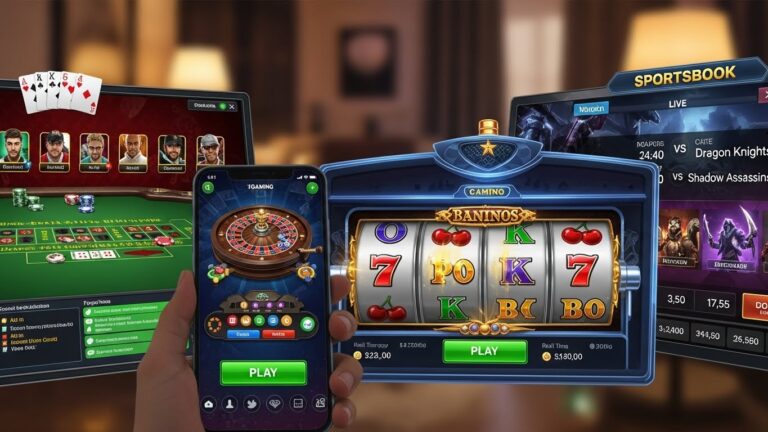
The world of entertainment has undergone a remarkable transformation over the past two decades. With the rise of technology, people are no longer confined to traditional forms of leisure like television or visiting casinos. One of the most dynamic sectors in this evolution is iGaming, which has grown from a niche hobby to a mainstream form of entertainment for millions globally. But what exactly is iGaming, and why has it captured the imagination of so many?
What is iGaming?
iGaming, or interactive gaming, refers to all forms of online gambling and gaming that involve betting or wagering money. This includes online casinos, sports betting, poker, bingo, and even newer innovations like virtual sports and live dealer games. Unlike traditional gaming, iGaming offers a digital, immersive experience that can be accessed anywhere, at any time, through computers, smartphones, or tablets.
The industry’s growth has been fueled by the advent of high-speed internet, mobile technology, and digital payment systems. Players no longer need to travel to a physical casino to enjoy their favorite games, and operators can reach a global audience instantly.
The Evolution of iGaming
iGaming has come a long way since its inception in the mid-1990s. Initially, online gambling was limited by technological constraints, slow internet connections, and limited game offerings. The first online casinos offered just a handful of games, primarily virtual versions of classic table games like blackjack, roulette, and slots.
As technology advanced, the industry quickly adapted. The introduction of secure online payment systems allowed for safe monetary transactions, boosting player confidence. Innovations in software development brought more sophisticated graphics, interactive gameplay, and complex algorithms to ensure fairness and randomness.
Today, iGaming platforms are highly interactive and visually stunning. Players can experience live dealer games in real time, participate in tournaments, and enjoy multiplayer games with social features. Virtual reality (VR) and augmented reality (AR) are also on the horizon, promising even more immersive experiences.
Popular iGaming Categories
Online Casinos
Online casinos remain the most popular segment of iGaming. They replicate the experience of a physical casino but offer far more convenience. Players can choose from hundreds of slot games, table games, and specialty games without leaving their homes. Modern online casinos also feature progressive jackpots, which accumulate over time and can reach astronomical amounts, drawing players in with the promise of life-changing winnings.
Sports Betting
Sports betting has always had a massive following, but the online space has revolutionized how fans engage with sports. Bettors can now place wagers on a wide range of sports events, from football and basketball to eSports and virtual racing. The ability to place live bets during matches adds a thrilling dimension, transforming passive spectators into active participants.
Poker
Online poker has carved out a unique niche in the iGaming world. Platforms offer a variety of formats, including Texas Hold’em, Omaha, and tournament play. The online environment also allows players of all skill levels to compete without intimidation, unlike physical poker rooms, which can be daunting for beginners.
Bingo and Lottery Games
Bingo and lottery games have found a new audience online. Digital platforms offer traditional bingo rooms, instant-win games, and even international lotteries. Online bingo fosters a sense of community through chat features, enabling players to socialize while enjoying their favorite pastime.
Emerging Trends
The iGaming industry is constantly evolving. Emerging trends include gamification, where gameplay incorporates elements of achievement and progression, and blockchain gaming, which offers transparency and security through decentralized systems. Virtual sports and AR-based games are also gaining traction, giving players new ways to engage with their favorite games.
The Technology Behind iGaming
Technology is the backbone of the iGaming industry. Modern platforms rely on cutting-edge software, artificial intelligence, and secure payment gateways to deliver a seamless experience. Random Number Generators (RNGs) are crucial for ensuring fairness in games, while live streaming technology enables real-time interaction with dealers and other players.
Mobile technology has been a game-changer. The majority of iGaming activity now occurs on smartphones and tablets. Mobile-optimized websites and dedicated apps allow players to enjoy high-quality graphics, smooth gameplay, and instant deposits or withdrawals on the go.
Artificial intelligence is also being used to personalize experiences. AI algorithms can recommend games based on player behavior, detect unusual betting patterns, and even provide chat-based support for customer inquiries. This combination of technology and data analysis enhances both security and enjoyment.
The Appeal of iGaming
What makes iGaming so attractive to millions of players worldwide? Convenience is a major factor. Players can engage in their favorite games at any time and from any location. Additionally, online platforms often offer bonuses, promotions, and loyalty programs, adding extra value and excitement.
The social aspect is also significant. Many platforms feature multiplayer games, chat functions, and tournaments that allow players to connect and compete. For some, iGaming becomes a social experience, offering camaraderie similar to that found in traditional gaming communities.
Another draw is the sheer variety of games. Unlike traditional casinos with physical limitations, online platforms can host thousands of games simultaneously, catering to every taste and skill level. Players can switch between games effortlessly, explore new titles, or participate in exclusive limited-time events.
The Regulatory Landscape
iGaming operates within a complex regulatory framework that varies from country to country. Licensing and regulation are essential to ensure fair play, protect consumers, and prevent illegal activity. Reputable operators must adhere to strict standards, including verified player identification, responsible gaming practices, and secure financial transactions.
Regulatory compliance not only protects players but also builds trust in the industry. Governments and regulatory bodies continue to update legislation to keep pace with technological developments, making it a dynamic and ever-evolving environment.
Challenges Facing the iGaming Industry
Despite its growth, the iGaming industry faces several challenges. One of the most pressing is ensuring responsible gaming. The accessibility of online platforms can lead to addictive behavior, which has prompted operators to implement tools like self-exclusion, deposit limits, and time reminders.
Security is another concern. Cyberattacks, fraud, and data breaches pose risks to both operators and players. To counter this, iGaming companies invest heavily in encryption, secure servers, and continuous monitoring.
Finally, market saturation is becoming an issue. With so many platforms available, standing out and attracting loyal players requires innovation, quality service, and effective marketing strategies.
The Economic Impact of iGaming
iGaming is more than just entertainment; it’s a major economic driver. The industry generates billions in revenue annually, creating jobs in software development, customer service, marketing, and regulatory compliance. It also contributes significant tax revenue to governments that regulate and license operators.
Furthermore, iGaming has ancillary effects on other sectors. Technology providers, payment processors, and affiliate marketing companies all benefit from the industry’s growth. This economic ecosystem continues to expand as iGaming becomes more mainstream.
Responsible Gaming and Player Protection
Responsible gaming is a cornerstone of the modern iGaming industry. Operators are committed to promoting safe and fair play, providing players with tools to manage their behavior. These measures include deposit limits, self-exclusion options, reality checks, and access to support services.
Education is also critical. Many platforms offer guides, tutorials, and informational resources to help players understand game rules, odds, and risk management. The aim is to create an environment where entertainment does not lead to financial or psychological harm.
The Future of iGaming
The future of iGaming is bright and full of potential. Emerging technologies like virtual reality, artificial intelligence, and blockchain promise to reshape the landscape entirely. Imagine fully immersive VR casinos where players interact in real time, or blockchain-based platforms offering fully transparent and decentralized wagering systems.
Artificial intelligence will continue to enhance personalization, security, and customer service, making online gaming even more intuitive and engaging. Gamification and social integration will likely grow, creating more interactive and rewarding experiences for players.
Global expansion is another key trend. As more countries legalize and regulate online gambling, new markets will open, bringing iGaming to previously untapped audiences. The industry will likely see continued consolidation, innovation, and a focus on player experience.
Conclusion
iGaming represents a fascinating intersection of technology, entertainment, and economic activity. From humble beginnings in the 1990s to today’s sophisticated platforms, it has transformed how people engage with games and betting. Its appeal lies in convenience, variety, social interaction, and innovation.
As technology continues to evolve, iGaming will likely become even more immersive, secure, and globally accessible. With responsible gaming measures in place, it offers a safe and enjoyable form of entertainment for millions of people worldwide.
The rise of iGaming underscores a broader trend in digital entertainment: people increasingly seek personalized, interactive, and convenient experiences. By blending cutting-edge technology with engaging gameplay, the iGaming industry is not just keeping pace with modern entertainment—it is defining it.
About the Author