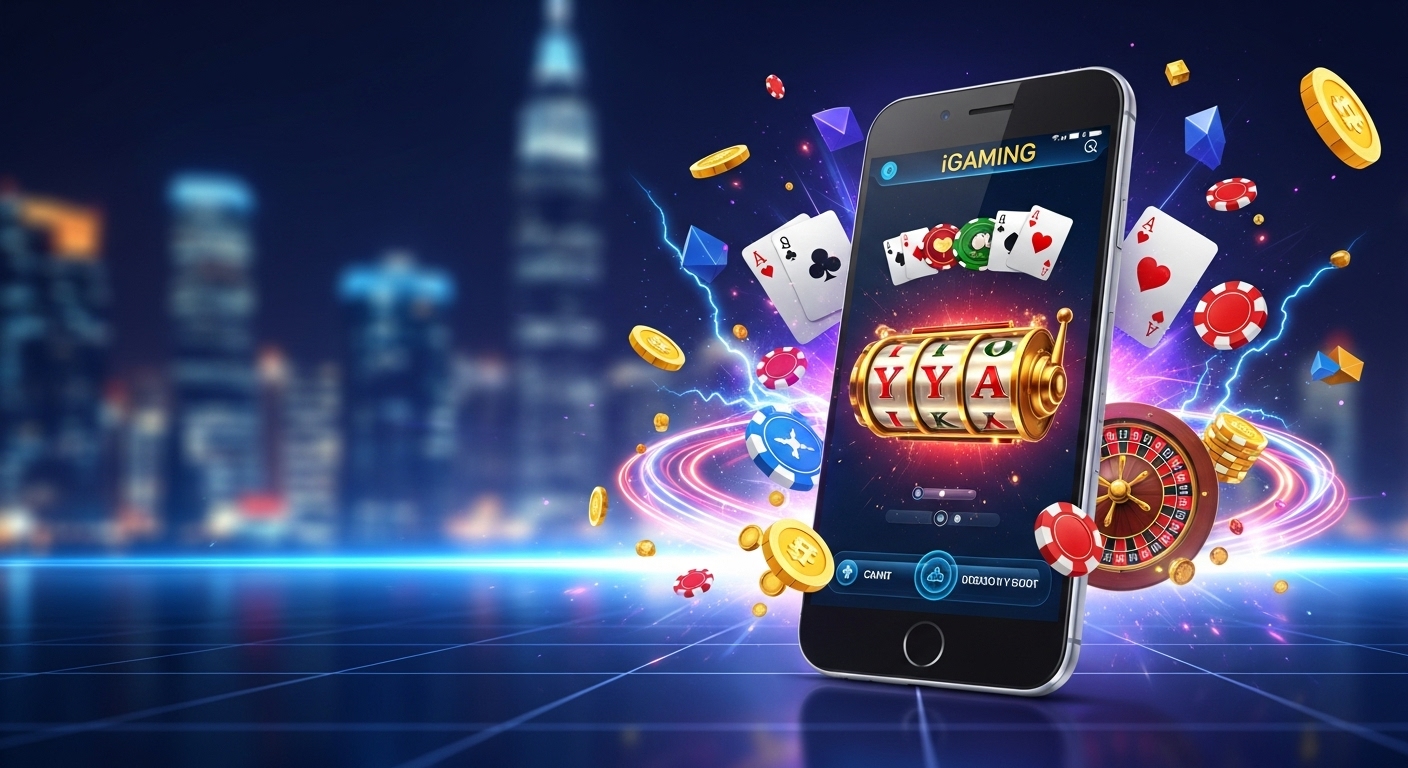
Introduction: The Rise of a Digital Gaming Revolution
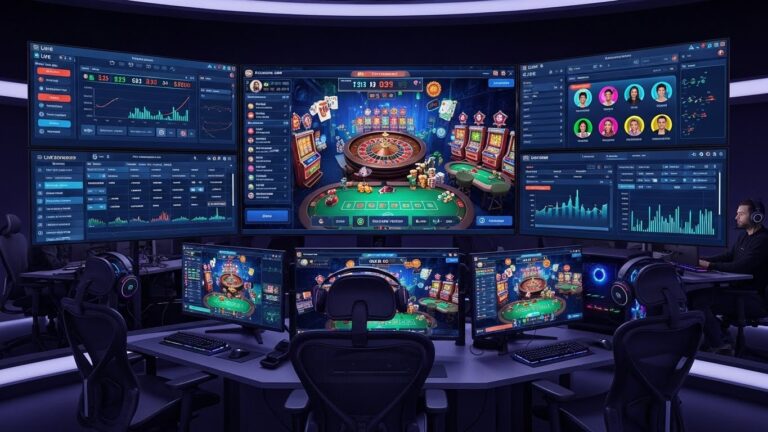
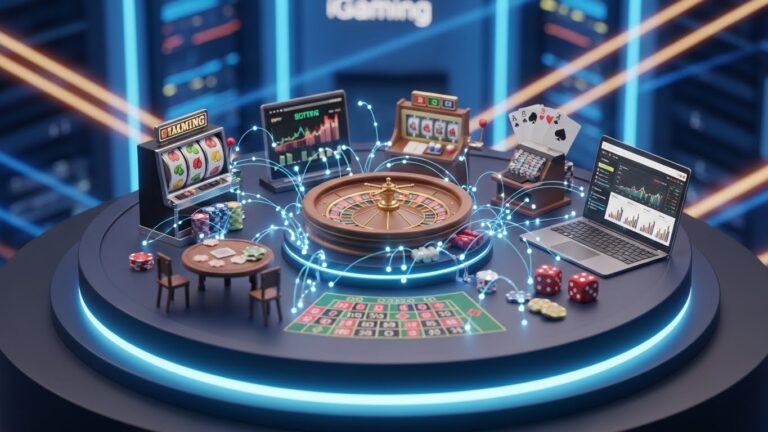
In the last two decades, the world has witnessed a digital transformation unlike anything in human history. From how we communicate to how we entertain ourselves, every corner of life has been reshaped by technology. Among the most dynamic and rapidly evolving sectors is iGaming — a vast digital domain that encompasses online casinos, sports betting, poker rooms, virtual lotteries, esports wagering, and more.
The term “iGaming” might sound futuristic, but it’s already deeply embedded in the modern entertainment landscape. Millions of people around the world engage daily with online gaming platforms, experiencing the thrill of chance and skill from the comfort of their homes or mobile devices. As digital connectivity improves and regulatory frameworks evolve, the iGaming industry continues to expand at an astonishing rate, redefining what it means to play, compete, and win in the 21st century.
Understanding What iGaming Really Is
The word “iGaming” is often misunderstood or used interchangeably with other forms of online entertainment. At its core, iGaming refers to any form of betting or wagering that takes place over the internet. This includes online casino games like blackjack, roulette, and slots; sports betting on football, basketball, or horse racing; and even new forms such as fantasy sports and esports betting.
Unlike traditional gaming, which focuses solely on play and recreation, iGaming combines entertainment with the potential for real financial gain. This dual nature — fun and fortune — has been one of the driving forces behind its immense popularity.
The modern iGaming ecosystem is built on advanced software platforms, secure payment gateways, and interactive designs that create a seamless experience for users. Behind every spin of a virtual roulette wheel or click on a poker chip lies a complex network of technologies ensuring fairness, security, and instant connectivity across borders.
The Evolution of iGaming: From Modems to Mobile
The history of iGaming is closely tied to the development of the internet itself. The first online casino appeared in the mid-1990s, when internet speeds were slow and graphics were basic. Despite the limitations, the novelty of being able to place a bet without leaving home captured global attention.
As broadband replaced dial-up and software improved, the industry grew exponentially. The introduction of secure payment systems gave players confidence to deposit money online. Game developers began experimenting with richer visuals, immersive audio, and interactive features.
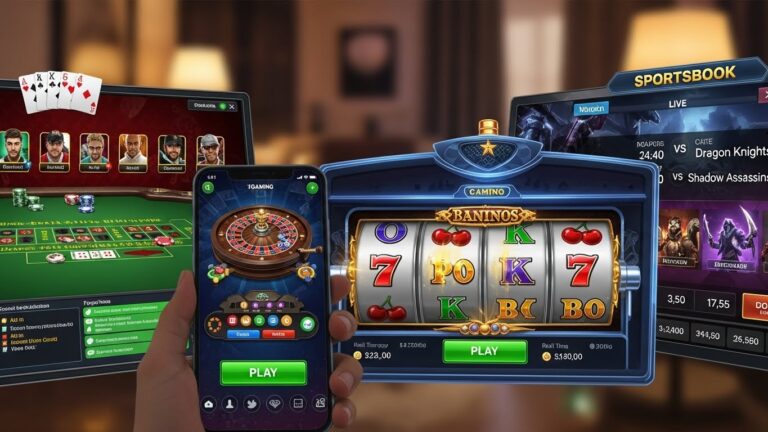
By the early 2000s, hundreds of online casinos and betting platforms had emerged, each competing to offer a unique experience. When smartphones entered the market, iGaming experienced another revolution. Mobile compatibility made it possible to gamble anywhere, anytime. Suddenly, the concept of “taking a quick spin” on a slot game during a lunch break or placing a sports bet while watching a live match became a reality.
Today, the evolution continues with innovations like live dealer games, virtual reality casinos, and blockchain-based betting systems, all pushing iGaming closer to a fully immersive digital entertainment world.
The Core Pillars of iGaming
1. Online Casinos
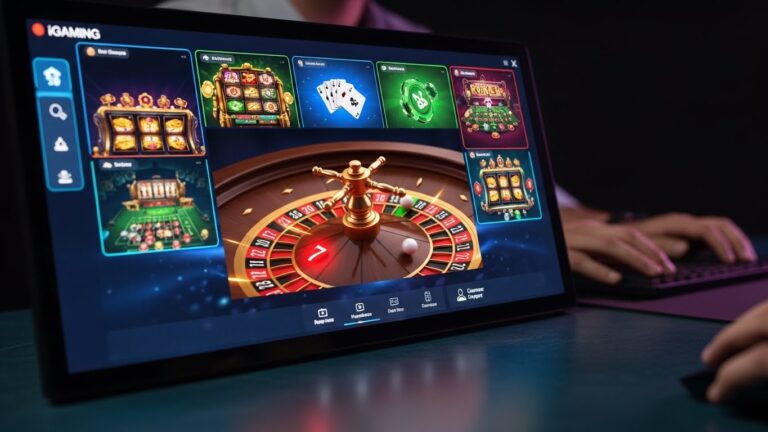
Online casinos are the heart of the iGaming industry. They replicate traditional casino experiences digitally, offering an endless variety of games such as slots, poker, blackjack, baccarat, and roulette. The modern online casino doesn’t just simulate the real-world casino floor — it enhances it with features like multi-table play, interactive chat functions, and unique bonus systems.
2. Sports Betting
Sports betting is one of the most popular forms of iGaming, drawing in millions of enthusiasts who enjoy combining their knowledge of sports with the excitement of wagering. From international football tournaments to local basketball leagues, betting markets are available on virtually every sporting event imaginable.
3. Esports Betting
In recent years, esports has transformed from a niche hobby into a global phenomenon. Competitive gaming titles such as League of Legends, Dota 2, and Counter-Strike attract millions of viewers and massive prize pools. Esports betting follows the same principles as traditional sports wagering, appealing to a younger, digitally savvy audience.
4. Live Dealer Games
Live dealer games represent one of the most exciting innovations in iGaming. They bridge the gap between the virtual and physical worlds by streaming real dealers from studios directly to players’ screens. Through high-definition video and real-time interaction, players experience the authenticity of a real casino without leaving home.
5. Fantasy Sports and Lotteries
Fantasy sports combine strategic thinking and sports analysis, allowing players to build virtual teams and compete based on real-world performance. Online lotteries, meanwhile, have made traditional number draws more accessible and engaging with digital platforms that allow instant participation and results.
The Technology Powering iGaming
Technology is the lifeblood of iGaming. Every spin, shuffle, and wager depends on sophisticated systems working behind the scenes.
One of the foundational technologies is the Random Number Generator (RNG) — an algorithm that ensures every game outcome is completely random and fair. Without RNGs, trust in online gaming would crumble.
Another major innovation is blockchain, which has introduced a new era of transparency and decentralization. By using distributed ledger systems, blockchain allows players to verify transactions, track fairness, and even participate in crypto-based casinos.
Artificial Intelligence (AI) and machine learning are also shaping the industry. They personalize the gaming experience, detect fraud, and help platforms understand player behavior to improve engagement.
Lastly, augmented reality (AR) and virtual reality (VR) technologies are beginning to merge the physical and digital gaming worlds. Imagine walking through a virtual casino with lifelike dealers and other players from across the globe — this vision is already taking shape.
Regulation and Responsible Gaming
No discussion of iGaming is complete without addressing regulation and responsibility. Because iGaming involves real money, governments and licensing bodies play a crucial role in ensuring safety and fairness.
Each jurisdiction sets its own rules, ranging from strict national frameworks to open international markets. Reputable operators must obtain licenses from recognized authorities, which enforce standards related to player protection, fair play, anti-money laundering, and data privacy.
Equally important is the promotion of responsible gaming. The convenience of online betting can make it easy for some individuals to lose control. Leading iGaming platforms now include tools that allow users to set spending limits, self-exclude, or access support resources. Education and awareness campaigns also play a vital part in preventing addiction and promoting healthy gaming habits.
The Economic Impact of iGaming
The global iGaming industry has become a major contributor to the digital economy. Billions of dollars flow through the sector annually, supporting thousands of jobs in software development, marketing, customer service, compliance, and payment processing.
Governments that have embraced regulation benefit from tax revenues and investment in infrastructure. In some regions, iGaming has revitalized local economies by attracting technology companies and skilled professionals.
The ripple effects extend further — iGaming encourages innovation in cybersecurity, digital finance, and data analytics. The demand for safer transactions has driven advancements in encryption and payment systems that benefit other industries as well.
The Role of User Experience in iGaming Success
At the heart of every successful iGaming platform is user experience. Players expect fast-loading games, intuitive interfaces, and smooth payment systems. The competition is intense, and even small frustrations can drive users elsewhere.
Game design has become a blend of psychology and technology. Developers study player behavior to understand what keeps people engaged. They use dynamic visuals, rewards, and interactive features to maintain excitement.
The shift toward mobile-first design has also redefined how platforms operate. Many iGaming companies now prioritize mobile optimization before desktop, ensuring that games run seamlessly on smartphones and tablets.
Payment Innovations in iGaming
Secure and flexible payment solutions are fundamental to iGaming. Players must be able to deposit and withdraw money easily while trusting that their information is safe.
Traditional methods like credit cards and bank transfers remain popular, but new technologies are reshaping the landscape. E-wallets and cryptocurrencies have become major players, offering speed, anonymity, and reduced transaction fees.
Some platforms even integrate multiple currencies and blockchain tokens, giving users unprecedented control over their funds. As digital payment ecosystems evolve, the boundaries between gaming and finance continue to blur.
Marketing and Player Engagement
Marketing in iGaming is both art and science. With intense competition, operators must find creative ways to attract and retain players while adhering to strict advertising regulations.
Promotions, welcome bonuses, loyalty programs, and personalized rewards are among the most common strategies. However, successful engagement goes beyond monetary incentives. Building a sense of community through social interaction, tournaments, and gamification elements creates long-term loyalty.
Content marketing and storytelling have also become powerful tools. By creating compelling narratives and immersive experiences, brands can connect emotionally with players — transforming casual users into passionate advocates.
The Social Aspect of iGaming
Despite being digital, iGaming is deeply social. Multiplayer games, chat rooms, and live tournaments foster connections among players around the world. The modern iGaming experience is no longer solitary; it’s an interactive community built on competition, cooperation, and shared excitement.
Streaming platforms and social media have amplified this sense of community. Viewers can watch live gaming sessions, share tips, or cheer for their favorite streamers. This merging of gaming and social interaction has given rise to a new kind of entertainment culture — one that blends digital participation with global connection.
The Challenges Facing the iGaming Industry
While iGaming continues to grow, it also faces significant challenges. Regulatory complexity remains one of the biggest hurdles. Each country, and often each region, has its own laws governing online betting. This creates a fragmented landscape that companies must navigate carefully.
Cybersecurity threats are another major concern. Because iGaming platforms handle sensitive personal and financial data, they are prime targets for hackers. Maintaining robust protection systems is a constant battle.
Additionally, public perception can still be mixed. While many view iGaming as a legitimate form of entertainment, others associate it with addiction or moral concerns. Building trust through transparency and responsible practices is essential for the industry’s long-term sustainability.
The Future of iGaming: What Lies Ahead
The future of iGaming is bright, bold, and brimming with innovation. Several key trends are shaping the path forward:
- Virtual and Augmented Reality – Immersive gaming environments will become mainstream, offering players an experience that feels almost real.
- Artificial Intelligence Personalization – AI will tailor game recommendations, betting limits, and promotional offers to individual user profiles.
- Blockchain and Decentralization – Trustless systems and smart contracts will make gaming more transparent and borderless.
- Esports Integration – The fusion of competitive gaming and betting will create new entertainment ecosystems.
- Sustainable and Ethical Gaming – As awareness of social responsibility grows, platforms will emphasize player welfare and ethical marketing.
The next generation of iGaming platforms will not just be about gambling — they will be about immersive, interactive digital experiences that merge entertainment, technology, and community.
Conclusion: The Infinite Possibilities of iGaming
iGaming is more than an industry; it is a reflection of how digital culture has evolved. It stands at the intersection of entertainment, technology, and human psychology — a space where innovation meets excitement.
From its humble beginnings in the early days of the internet to the cutting-edge virtual experiences of today, iGaming has transformed the way people play and connect. As technology continues to advance, the boundaries between the real and virtual worlds will blur even further, creating opportunities that were once unimaginable.
However, with great innovation comes great responsibility. Ensuring fair play, protecting players, and promoting balance are crucial for maintaining trust and sustainability.
In the end, iGaming represents the future of interactive entertainment — a world where every click, spin, and strategy brings not just the chance of winning, but the thrill of participating in a global digital phenomenon
About the Author