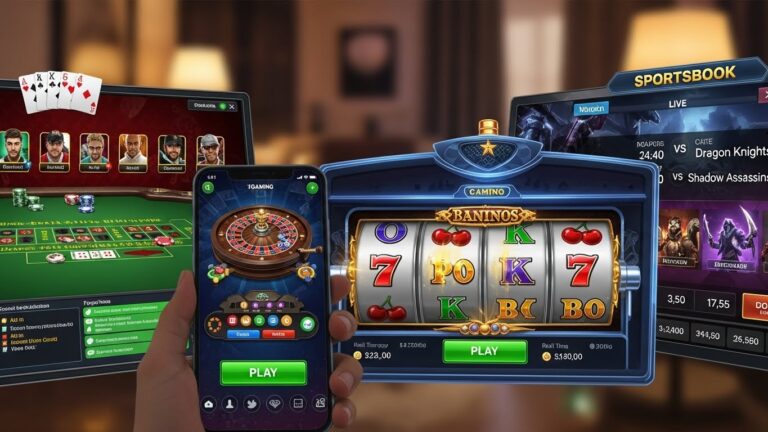
In recent years, the digital landscape has experienced a massive transformation, and one sector that has seen exponential growth is iGaming. Often synonymous with online gaming and gambling, iGaming encompasses a broad range of interactive entertainment, from online casinos and sports betting to poker, bingo, and emerging skill-based games. With rapid technological advancements and evolving player preferences, iGaming has cemented itself as a major component of the global entertainment industry.
Understanding iGaming
iGaming, short for “interactive gaming,” refers to gambling or gaming activities conducted over the internet. Unlike traditional brick-and-mortar casinos, iGaming provides players the opportunity to engage in various games anytime and anywhere, using devices such as smartphones, tablets, and computers. The sector is incredibly diverse, incorporating different types of games, betting formats, and payment systems to cater to a global audience.
The core appeal of iGaming lies in convenience and accessibility. Players no longer need to travel to physical locations or adhere to operating hours. Everything from signing up for an account, depositing funds, and playing games can be accomplished with just a few clicks. This ease of access has contributed to the sector’s rapid growth over the last decade.
The Evolution of iGaming
iGaming did not appear overnight. Its origins trace back to the mid-1990s when the internet became widely available. Early online casinos were basic in functionality, offering limited games with rudimentary graphics and slow processing speeds. Over time, however, technological advancements revolutionized the experience.
The introduction of secure online payment systems was a significant milestone, allowing players to deposit and withdraw funds safely. Furthermore, the evolution of random number generator technology ensured fair and unbiased gaming, establishing trust between operators and players.
The 2000s saw the emergence of live dealer games, where players could experience real-time casino interactions from the comfort of their homes. More recently, mobile gaming has reshaped the industry entirely, making iGaming a truly portable and social form of entertainment.
Popular iGaming Segments
The iGaming industry is incredibly diverse, encompassing several key segments that cater to different types of players.
Online Casinos
Online casinos are the cornerstone of iGaming. They offer a variety of games such as slots, roulette, blackjack, baccarat, and poker. Modern online casinos have evolved from static websites to interactive platforms with immersive graphics, animations, and sound effects that replicate the experience of a physical casino.
Slots, in particular, dominate online casino platforms. From classic three-reel slots to modern video slots with complex storylines, bonus rounds, and progressive jackpots, there is something for every player. Meanwhile, table games attract those who enjoy strategy and skill, offering both traditional and live dealer versions.
Sports Betting
Sports betting has been a part of human culture for centuries, but the online revolution has transformed it. Today, players can place bets on virtually any sport, from football and basketball to eSports and niche competitions like darts or curling. Live betting, where players can wager on events as they unfold in real-time, has added a layer of excitement and engagement.
Poker and Skill-Based Games
Poker has a rich history in both physical and online formats. Online poker rooms provide a competitive yet accessible environment for players of all skill levels. Beyond poker, the rise of skill-based games has attracted younger audiences, blending elements of gaming and gambling in innovative ways. These games require strategy and decision-making, giving players a sense of control and achievement beyond mere luck.
Bingo and Lottery Games
Bingo and online lotteries have also found a place in the iGaming ecosystem. These games often attract casual players who enjoy low-stakes entertainment with the potential for rewards. Modern platforms have enhanced these traditional games with social features, chat functions, and themed variations to create a more engaging experience.
Technological Innovations Driving iGaming
Technology is at the heart of iGaming’s growth. Several key innovations have shaped the industry and continue to do so.
Mobile Gaming
The rise of smartphones has fundamentally changed how players access games. Mobile-optimized websites and dedicated apps allow users to play their favorite games on the go. Mobile gaming also encourages shorter, more frequent sessions, making the experience more engaging and convenient.
Live Dealer Technology
Live dealer games bridge the gap between online and offline gaming by streaming real casino tables to players in real-time. This innovation enhances authenticity, creating a social environment where players can interact with dealers and other participants.
Virtual Reality and Augmented Reality
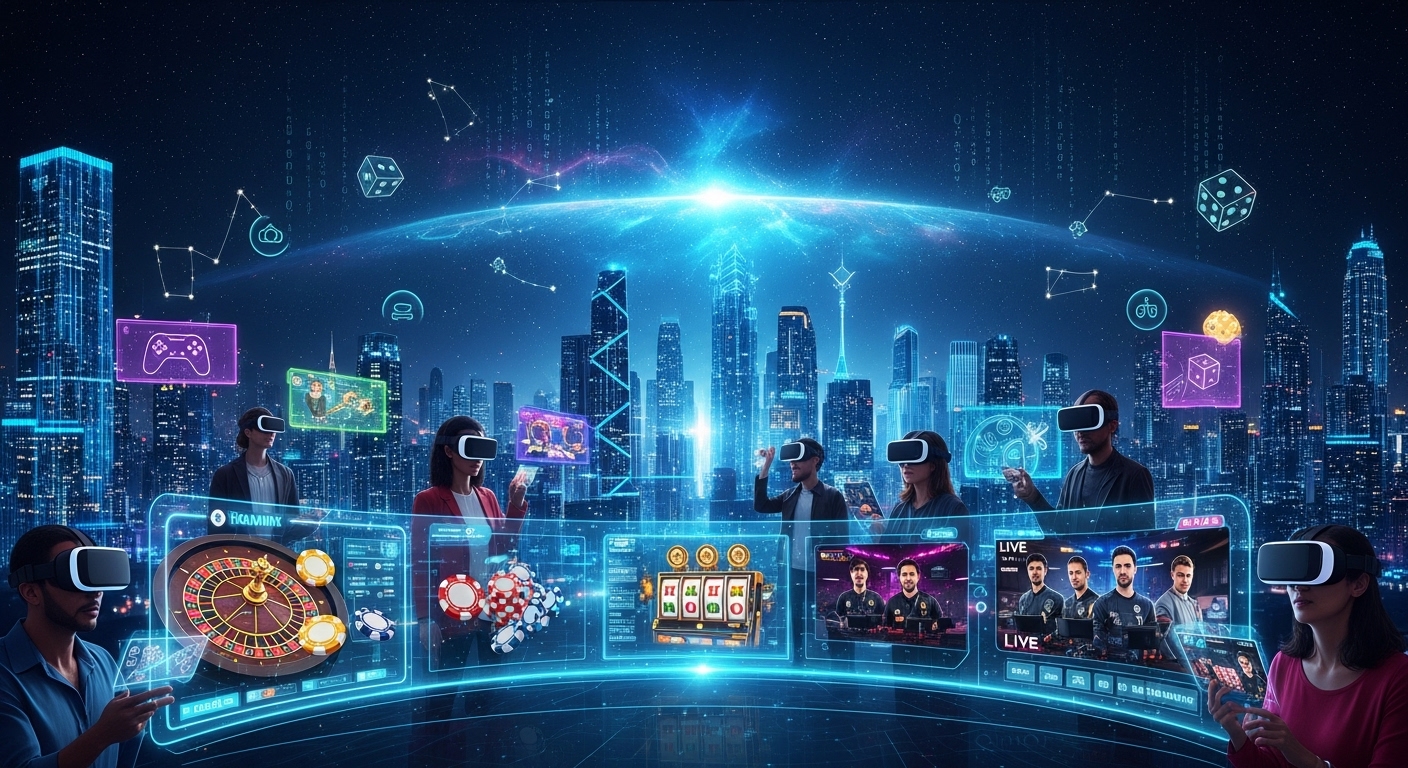
VR and AR technologies are pushing the boundaries of immersive gaming. Virtual casinos allow players to explore a 3D environment, interact with other players, and even walk around virtual casino floors. AR overlays can enhance gameplay on mobile devices, adding layers of interactivity to traditional games.
Artificial Intelligence and Personalization
AI is transforming the iGaming experience by enabling personalized gameplay. From recommending games based on user behavior to providing real-time customer support, AI enhances user engagement and retention. Some platforms even use AI to detect problem gambling behaviors and offer responsible gaming interventions.
Responsible Gaming in the Digital Era
With the convenience and accessibility of iGaming comes the need for responsible gaming practices. While the sector offers entertainment and potential rewards, there is also a risk of gambling-related harm if players do not manage their activity carefully.
Reputable iGaming operators implement responsible gaming measures such as self-exclusion tools, deposit limits, and reality checks. These mechanisms help players stay in control of their spending and time. Additionally, educational campaigns and awareness programs play a vital role in promoting healthy gaming habits.
Legal and Regulatory Landscape
The legal status of iGaming varies across regions, and operators must navigate complex regulatory frameworks to operate legally. Countries have adopted different approaches, ranging from fully regulated markets with licensed operators to outright bans in certain jurisdictions.
Regulations often focus on player protection, anti-money laundering measures, and fair play. Licensed operators must adhere to stringent guidelines to maintain trust and credibility. In regulated markets, players benefit from consumer protections, secure payment systems, and dispute resolution mechanisms.
The Economics of iGaming
iGaming is not just entertainment; it is a booming economic sector. Globally, the industry generates billions in revenue annually and provides employment opportunities across technology, marketing, customer support, and game development.
The growth of iGaming has also spurred innovation in adjacent industries, including payment processing, cybersecurity, and data analytics. Additionally, iGaming contributes to public finances through taxation and licensing fees in regulated markets, supporting infrastructure and social programs.
Emerging Trends in iGaming
As technology and player expectations evolve, new trends continue to shape iGaming.
Gamification
Gamification involves incorporating game-like elements into non-game contexts. In iGaming, this can mean rewards systems, achievements, leaderboards, and interactive challenges that enhance player engagement and retention.
Cryptocurrencies and Blockchain
The adoption of cryptocurrencies and blockchain technology is transforming iGaming payments and transparency. Cryptocurrencies offer fast, secure, and low-cost transactions, while blockchain ensures provably fair gameplay and verifiable outcomes.
eSports Betting
The rise of eSports has created a new frontier for betting and competitive gaming. Millions of players and spectators participate in global eSports tournaments, and betting platforms have emerged to cater to this growing audience.
Social Gaming
Social features, including chat rooms, multiplayer modes, and community events, have enhanced the social aspect of iGaming. Players no longer play in isolation; they interact, compete, and share experiences, creating a more immersive environment.
The Future of iGaming
The future of iGaming promises further innovation, personalization, and immersion. As technology advances, players can expect increasingly realistic graphics, AI-driven game design, and more seamless mobile experiences. Virtual and augmented reality will continue to enhance interactivity, while blockchain and decentralized platforms could redefine trust and transparency in gaming.
Moreover, the integration of responsible gaming tools and regulatory compliance will remain critical. The industry must balance growth with ethical practices to ensure long-term sustainability.
Conclusion
iGaming has transformed the way people experience entertainment, blending technology, strategy, and excitement into a digital ecosystem that appeals to millions worldwide. From online casinos and sports betting to poker, bingo, and emerging skill-based games, iGaming continues to innovate and evolve, driven by technological advancements and changing player expectations.
As the sector grows, it brings opportunities for players, developers, and economies, while also necessitating responsible gaming practices and regulatory oversight. With its dynamic nature and endless possibilities, iGaming is not just a form of entertainment—it is a digital revolution reshaping the world of interactive leisure.
About the Author