Introduction
The rise of esports has transformed competitive gaming from a niche hobby into a global industry worth billions of dollars. What once began as small LAN tournaments among friends has now grown into massive events filling stadiums and attracting millions of online viewers worldwide. At the center of this explosive growth lies sponsorship, which has become the backbone of financial support for teams, players, events, and streaming platforms. Just as traditional sports rely on sponsorship deals to fund operations, esports has established a similar ecosystem where brands and organizations collaborate for mutual benefit.
Understanding how esports sponsorship works requires looking at the different types of sponsorships, how they benefit both brands and gaming organizations, and the unique dynamics that differentiate this industry from traditional sports. Esports sponsorship is not just about placing logos on jerseys; it is about creating long-term partnerships, connecting with younger audiences, and leveraging digital platforms in ways that traditional sports sponsorships cannot.
This blog explores in depth how esports sponsorship functions, the strategies behind it, and its future potential as the gaming industry continues to grow.
The Growth of eSports and Sponsorship
Esports has evolved into a multi-billion-dollar industry with tournaments boasting prize pools in the tens of millions. Games such as League of Legends, Counter-Strike, Dota 2, and Fortnite have drawn global attention, and esports athletes are now treated with the same respect as traditional sports stars. With this growth came a massive opportunity for brands to tap into the industry through sponsorships.
Initially, esports sponsorships were limited to gaming-related companies like computer hardware manufacturers, peripheral makers, and energy drink brands. These companies saw natural synergy with the gaming community. However, as esports reached mainstream audiences, non-endemic brands from industries like automotive, finance, apparel, and food also began investing heavily in sponsorships. Today, esports sponsorships represent a diverse and expansive ecosystem that drives revenue for organizations and value for brands.
Why Sponsorship Matters in eSports
Esports sponsorship is the lifeblood of the industry. Unlike traditional sports leagues that often earn substantial income from ticket sales and broadcasting rights, esports organizations rely heavily on sponsorship deals for sustainability. Sponsorships provide the funding necessary for teams to pay salaries, train players, host events, and build brand recognition.
For brands, sponsorships provide direct access to an engaged, youthful, and tech-savvy audience that is often difficult to reach through traditional advertising. Gamers and esports fans tend to spend significant time online, consume digital content regularly, and are receptive to brands that support their favorite teams and tournaments. Sponsorship allows companies to build authenticity within this community by directly associating with the culture of esports.
Types of eSports Sponsorship
Sponsorship in esports is highly versatile, ranging from small-scale partnerships with individual streamers to massive, multi-million-dollar deals with global tournaments. Below are the key categories of sponsorship in the esports ecosystem:
Team Sponsorship
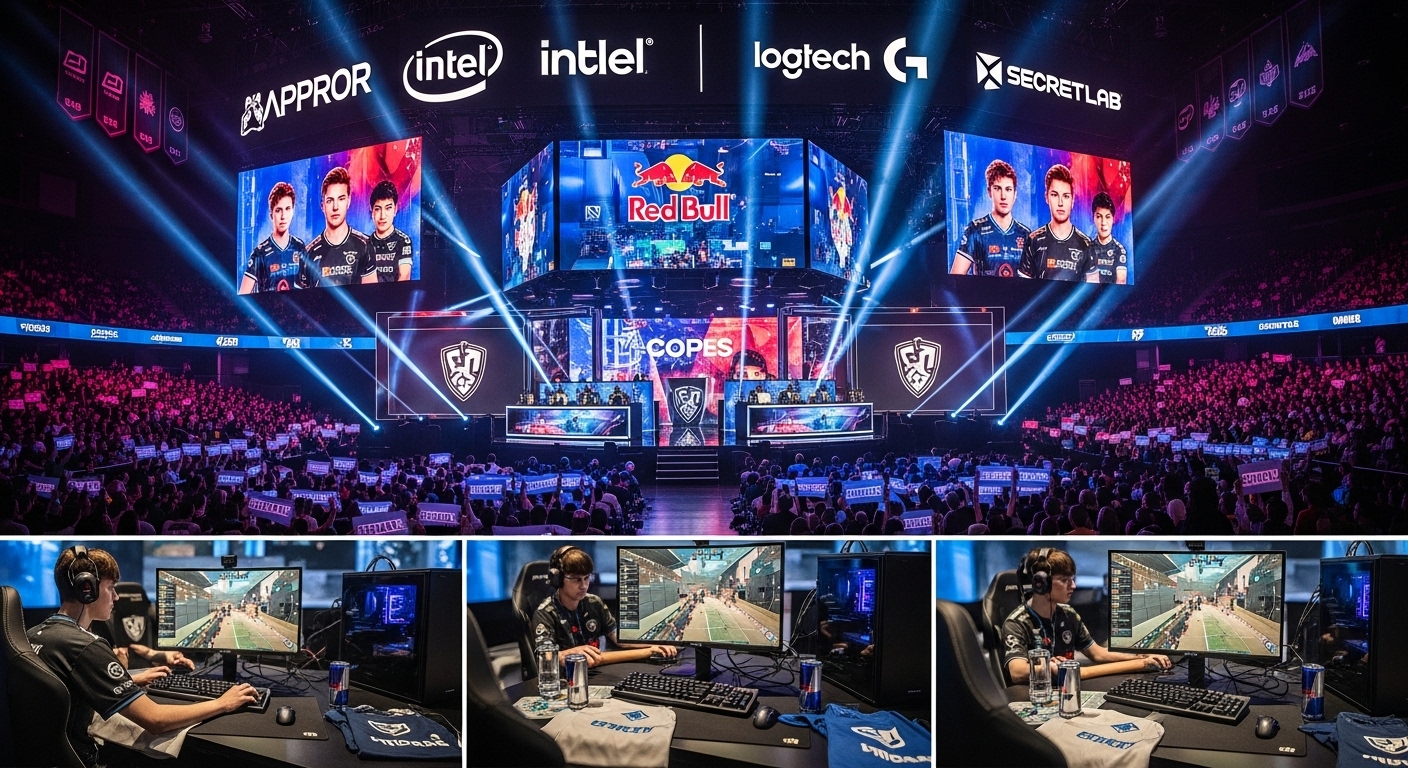
Teams are central to esports, and sponsoring a team means associating a brand with its players, content, and competitive success. Team sponsorships typically include logo placement on jerseys, branded social media posts, and collaboration on content campaigns. Some brands also supply teams with gaming gear, apparel, or lifestyle products as part of the deal.
Event Sponsorship
Large-scale tournaments attract millions of live and online viewers, making them prime opportunities for brand exposure. Event sponsors often receive naming rights (for example, a championship branded after a sponsor), advertisement placements during live streams, and on-site activations in arenas.
Individual Player Sponsorship
Professional gamers with large fan bases often secure personal sponsorship deals. Much like celebrity endorsements, these deals leverage the player’s popularity to promote products. Players may appear in advertisements, stream with branded equipment, or produce promotional content for their sponsors.
Streaming and Content Sponsorship
Beyond competitions, sponsorships are deeply tied to streaming platforms like Twitch and YouTube Gaming. Streamers who may not compete professionally often have massive followings and attract brand partnerships. Sponsored content can include logo overlays on streams, giveaways, and exclusive promotions.
Hardware and Peripheral Sponsorship
Gaming hardware brands often provide sponsored equipment such as keyboards, headsets, or monitors. This not only supports the team financially but also ensures players perform at their best while showcasing the sponsor’s products to fans.
Non-Endemic Sponsorship
One of the most fascinating aspects of esports sponsorship is the influx of non-gaming brands. Companies from industries such as banking, fashion, and food delivery now invest heavily in esports. These sponsorships go beyond product placement, often involving creative campaigns designed to resonate with gaming audiences.
How Sponsorship Deals Are Structured
Esports sponsorships vary widely depending on the size of the organization, audience reach, and brand goals. While no two deals are exactly the same, most sponsorship agreements include a combination of financial support, product supply, and promotional collaboration.
Financial Investment
Most sponsorship deals involve a brand paying an organization or player a set amount in exchange for exposure. This investment can range from small deals worth thousands of dollars to large contracts worth millions.
Brand Visibility
A major component of sponsorship is logo placement. Sponsors expect their logos to be visible on team jerseys, in-game overlays during broadcasts, and across social media content. This exposure ensures the brand remains top-of-mind for fans.
Content Collaboration
Content creation is at the heart of esports sponsorships. Teams and players often work with sponsors to produce videos, social media posts, or live-streamed content that integrates the brand in creative ways. Authentic storytelling is key, as gamers quickly notice when promotions feel forced or insincere.
Product Integration
Sponsors often provide products to teams or players, who in turn use them during competitions or streams. This not only saves costs for the organization but also highlights the sponsor’s product in action, lending credibility to the brand.
Exclusive Rights
In some cases, sponsorship deals include exclusivity clauses. For example, a beverage company may secure the exclusive right to be the official drink sponsor of a team, preventing competitors from entering that space.
Benefits for Brands
Brands engage in esports sponsorships because of the unique benefits they bring compared to traditional advertising.
Access to a Younger Audience
Esports fans are predominantly younger, falling within the 18–34 age group. This demographic is highly desirable for brands but is increasingly difficult to reach through television and traditional advertising. Sponsorship allows brands to meet this audience where they are.
High Engagement Rates
Esports fans are highly engaged, often watching tournaments for hours at a time and interacting with their favorite players on social media. This engagement translates into greater visibility and impact for sponsors.
Digital-First Ecosystem
Unlike traditional sports, esports thrives in an entirely digital ecosystem. This makes sponsorships more adaptable, interactive, and measurable. Brands can track impressions, clicks, and conversions in real time, allowing them to fine-tune their strategies.
Authentic Integration
Esports fans value authenticity, and brands that invest in the industry are often rewarded with loyalty. By supporting teams, players, and tournaments, brands demonstrate that they are part of the community rather than outsiders trying to sell products.
Challenges of eSports Sponsorship
While esports sponsorship is filled with opportunities, it is not without its challenges.
Measuring Return on Investment
One of the main difficulties for brands is quantifying the return on sponsorship investments. Unlike traditional sports, where metrics like TV viewership and ticket sales are established, esports metrics are still evolving. Brands must rely on digital analytics, social media impressions, and engagement data.
Maintaining Authenticity
Gamers are quick to detect when brands are disingenuous. Sponsorships that feel forced or out of touch with gaming culture can backfire, creating negative publicity. Success depends on building authentic partnerships that respect the community.
Market Fragmentation
The esports industry is fragmented across multiple games, platforms, and regions. Unlike traditional sports with unified leagues, esports has a wide variety of titles with different audiences. Brands must carefully select which games and organizations align with their goals.
Regulatory and Ethical Concerns
As esports grows, issues such as gambling sponsorships, player exploitation, and lack of standardized contracts have raised concerns. Brands must navigate these issues carefully to avoid reputational risks.
Case Studies of eSports Sponsorship Success
Some of the most successful sponsorship campaigns in esports demonstrate the potential of this industry. For instance, collaborations between major apparel brands and esports organizations have created co-branded merchandise lines that sell out in minutes. Similarly, partnerships with financial institutions have helped legitimize esports as a professional career by providing players with banking solutions tailored to their needs.
Streaming platforms have also played a significant role, with beverage and snack companies sponsoring popular streamers who promote products during live sessions. These campaigns showcase how creative, authentic partnerships can yield massive results for both brands and esports stakeholders.
The Future of eSports Sponsorship
The future of esports sponsorship looks brighter than ever. As the industry continues to expand globally, more non-endemic brands are expected to enter the market. Sponsorships will become increasingly sophisticated, integrating technologies such as augmented reality, virtual reality, and holographic experiences into campaigns.
We are also likely to see more cross-industry collaborations, where esports intersects with fashion, music, and film. Esports athletes may become cultural icons similar to traditional sports stars, further increasing sponsorship opportunities. Additionally, as data analytics improve, brands will gain clearer insights into the effectiveness of their investments, making sponsorship an even more attractive option.
Conclusion
Esports sponsorship is the driving force behind the growth and sustainability of competitive gaming. It connects brands with a highly engaged and youthful audience while providing essential funding for teams, players, and events. Unlike traditional advertising, esports sponsorship thrives on authenticity, digital-first strategies, and creative integration, making it one of the most exciting marketing avenues today.
While challenges such as fragmented markets and ROI measurement remain, the potential of esports sponsorship far outweighs the risks. As technology evolves and the industry matures, sponsorship will continue to play a pivotal role in shaping the future of esports. For brands, organizations, and fans alike, the world of esports sponsorship represents not just business but also a cultural movement redefining entertainment in the digital age.
About the Author